Venice Food Guide 2026: What to Eat, Where to Go & How to Avoid the Tourist Traps
This post contains affiliate links. If you book through these links, we may earn a small commission at no extra cost to you. This helps us keep creating free travel guides! Read our full Affiliate Disclosure
Venice is one of the most visited cities on earth, and for good reason, it’s genuinely unlike anywhere else. You’ll have a great time no matter what. But this guide exists because Venice also has more picture-menu tourist traps per square foot than almost any other city in Italy, and a mediocre plate of spaghetti alle vongole served to a confused tourist pays for a lot of rent on the Grand Canal. Use our Venice Food Guide and you’ll eat well, drink well, and spend your money on food that’s actually worth it.
📌 Save This Guide for Later!
Planning a trip to Venice? Pin this guide to your travel boards so you can find it when you’re ready to book, cicchetti, seafood pasta, the best bacari, and every tourist trap to avoid.
📌 Pin this guide →Where to stay: We’ve pulled our hotel picks into a dedicated guide, see where to stay in Venice for our honest St. Regis and JW Marriott reviews plus the best neighbourhoods for first-timers.
When to Visit Venice for the Best Food
High Season (June to August)
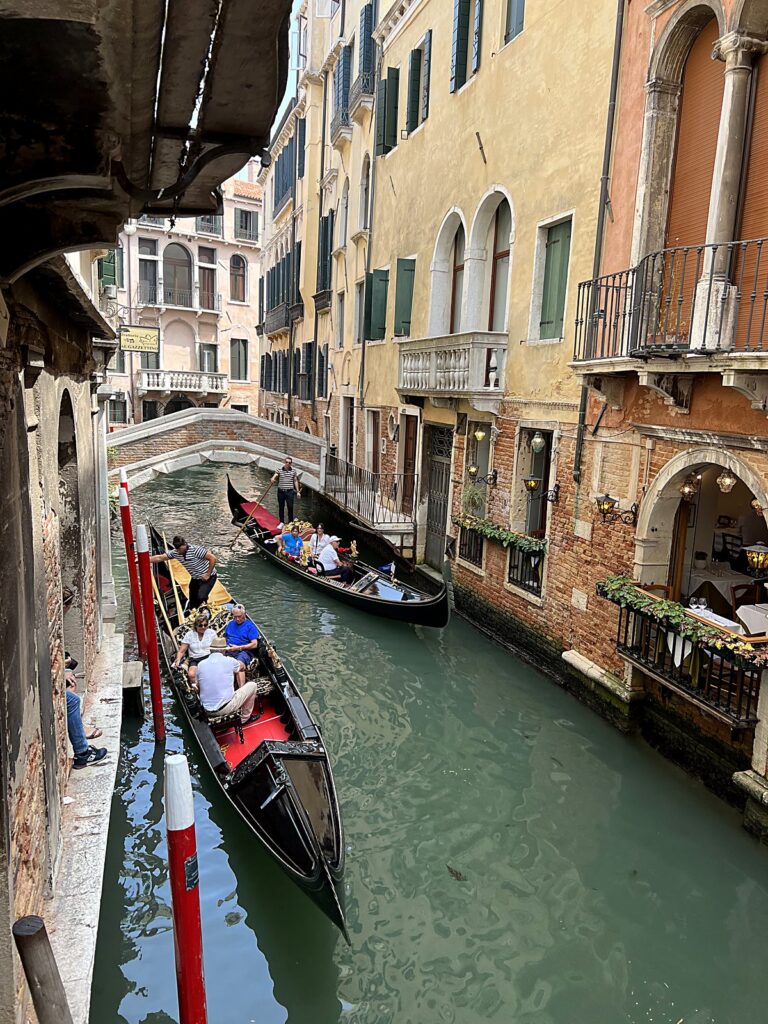
Venice in summer is crowded in a way that’s hard to fully prepare for, the narrow streets fill up fast, and the restaurants near the main attractions lean hard into tourist pricing. The seafood is at its absolute best this time of year though, and the outdoor cicchetti bars along the canals are genuinely wonderful in the evening warmth. If you’re visiting in high season, eating well is absolutely possible, you just need to know where to go and be willing to walk ten minutes away from the crowds. The further you get from San Marco and the Rialto Bridge, the better and cheaper the food gets. We visited in early June, and the gondola traffic jams in the smaller canals were real, but so were the quiet corners ten minutes’ walk away.
Shoulder Season (April to May, September to October)
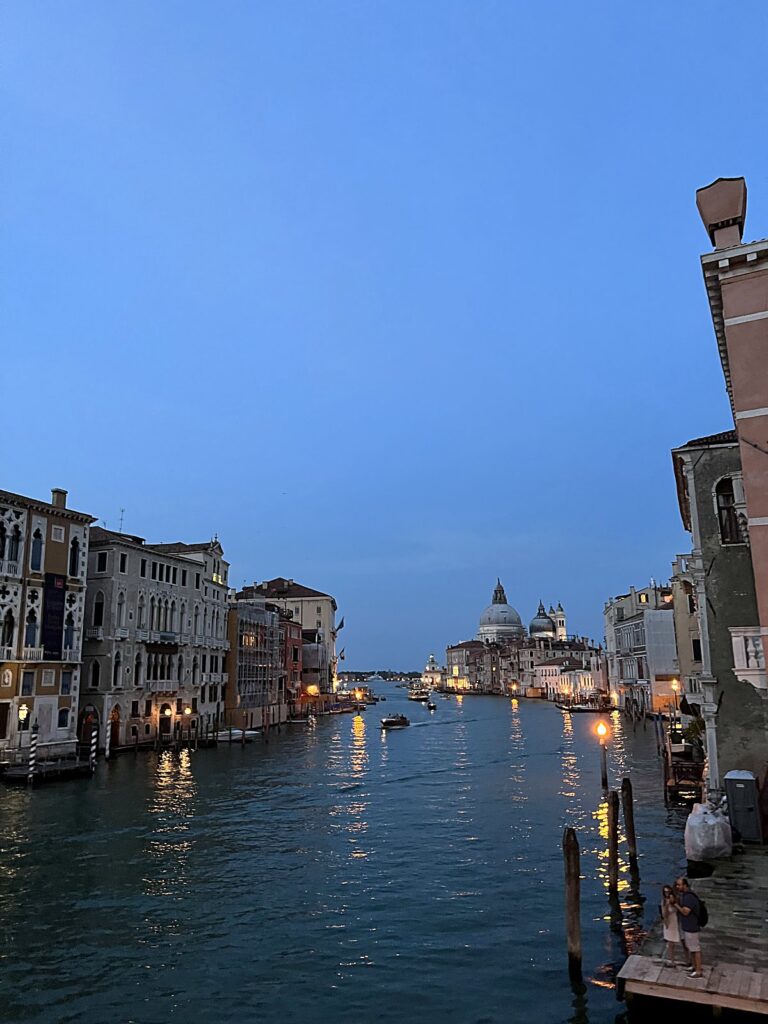
This is the sweet spot. The weather is good, the city is busy but not suffocating, and the restaurants are competing a bit harder for your business. Autumn in particular is exceptional, the lagoon seafood is rich and varied, the wine bars are full of locals, and the light on the canals is extraordinary. Spring brings artichokes, asparagus, and soft-shell crabs (moeche), a Venetian delicacy that’s only available for a few weeks a year. If you have any flexibility on timing, aim for May or October.
Low Season (November to March)
Venice in winter is a completely different city and honestly one of the best times to eat there. The tourist crowds thin out dramatically, locals reclaim their own restaurants, and you’ll find cicchetti bars packed with Venetians rather than visitors. Acqua alta (flooding) is part of the experience November through January, bring waterproof boots and embrace it, because the city still functions and the food is some of the best value you’ll find all year. The downside is that some smaller restaurants close for a few weeks in January, but those that stay open are almost always worth visiting.
What Makes Venetian Cuisine Unique?
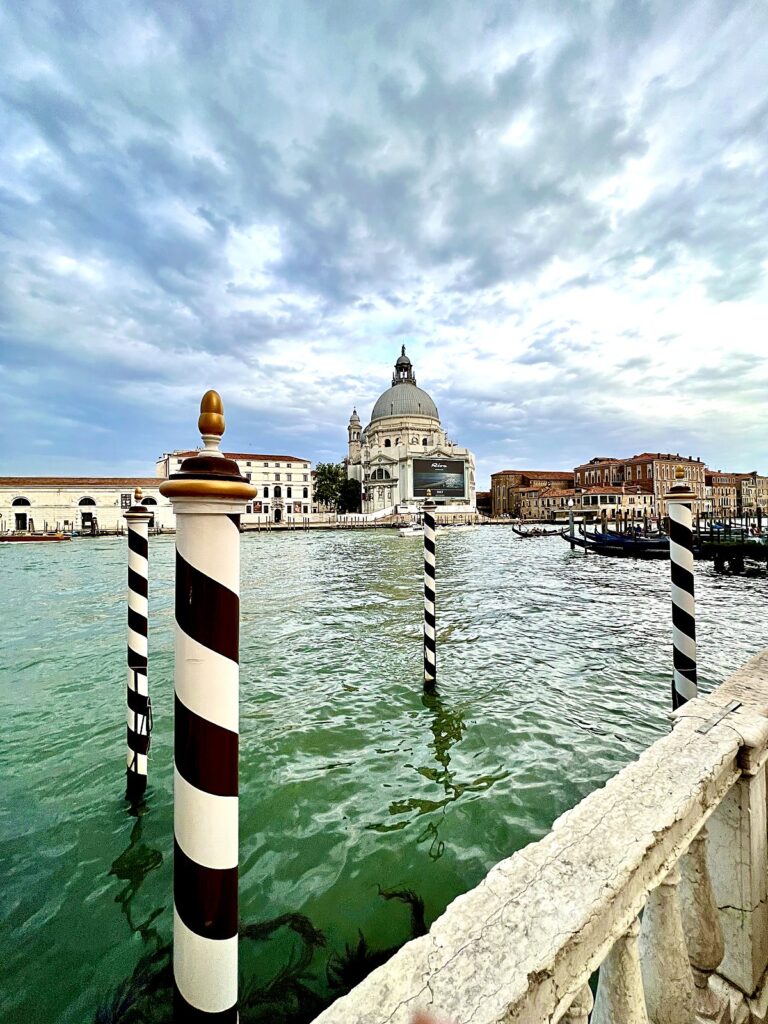
Venice sits in the middle of a lagoon, and that geography defines the food in a way that’s different from any other Italian city. The sea is everywhere, in the pasta, in the bar snacks, in the whole philosophy of the cuisine, and the ingredients that come from the lagoon itself, like clams, cuttlefish, soft-shell crabs, and spider crabs, are things you won’t find cooked this well anywhere else. There’s also a strong influence from Venice’s history as a trading hub: the spice routes brought cinnamon, cloves, and raisins into the kitchen centuries ago, and traces of that Arab and Byzantine influence still show up in dishes like sarde in saor, where sardines are marinated with onions, vinegar, pine nuts, and raisins. This is not the tomato-and-basil Italian food you might be expecting, it’s richer, more briny, more complex, and far more interesting. What surprised us most was how far the food strays from the red-sauce Italian you might expect, our first dinner was all shells, brine, and white wine, and we never looked back.
Venice Signature Dishes & Snacks
Cicchetti
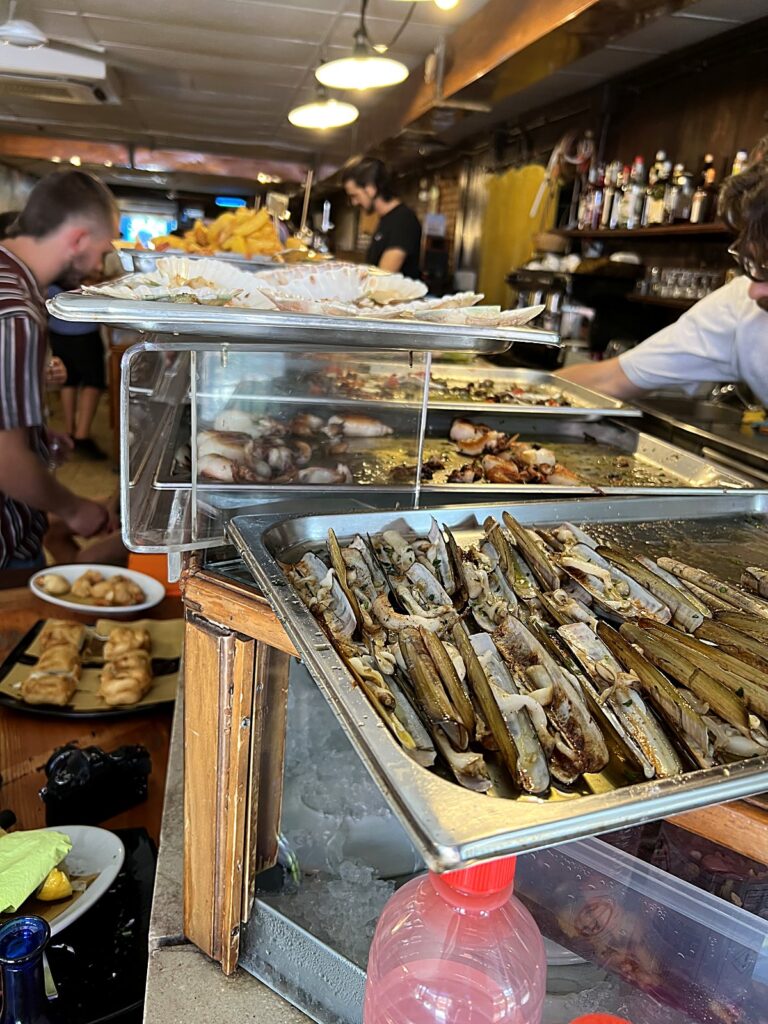
Cicchetti are Venice’s version of tapas, small bites served on bread or in tiny portions, eaten standing at a bar counter with a glass of wine or prosecco. They’re the single best way to eat in Venice: cheap, delicious, social, and completely authentic to the local culture. A good bacaro (the Venetian name for a wine bar serving cicchetti) will have a counter covered in baccalà mantecato on crostini, marinated anchovies, tiny meatballs, and slices of cured meat. The ritual of going from bar to bar for cicchetti and wine is called a giro d’ombra, and it’s one of the best things you can do in this city. Our favorite bacaro of the trip was Vini al Bottegon in Dorsoduro, more on that further into our Venice food guide below.
Where to Try: Vini al Bottegon, Enoteca al Volto, Corner Pub
Baccalà Mantecato
Creamed salt cod whipped with olive oil until it’s light, fluffy, and spreadable, served on grilled polenta or white bread. It sounds simple and it is, but when it’s made properly it’s one of those dishes that makes you stop talking mid-sentence. Every bacaro in Venice makes their own version, and the differences between a good one and a great one are noticeable. Don’t skip this one. The whipped baccalà crostini at Vini al Bottegon were the best single bite of our trip, order two rounds and thank us later.
Where to Try: Vini al Bottegon, Enoteca al Volto, Al Conte Pescaor
Sarde in Saor
Sweet and sour sardines marinated with caramelised onions, white wine vinegar, pine nuts, and raisins, a dish that goes back to the 14th century when Venetian sailors needed food that would keep on long voyages. It’s served cold or at room temperature and the flavours are complex in a way that surprises most people who try it for the first time. This is the one dish that is uniquely and irreducibly Venetian, you can find versions of it elsewhere in Italy but nothing comes close to what you’ll eat here. Order it wherever you see it.
Where to Try: Trattoria alla Palazzina, Il Paradiso Perduto
Bigoli in Salsa
Bigoli is a thick, rough-textured pasta made from whole wheat or duck egg dough, like a fatter, chewier spaghetti, and in salsa it’s served with a slow-cooked sauce of anchovies and caramelised onions. It’s intensely savoury, deeply umami, and nothing like anything you’ll find on a tourist-facing menu. This is Friday evening food in Venice, traditionally served on days of abstinence when meat was avoided. It costs almost nothing to make, which means when you see it priced at €20 on a tourist trap menu it’s a reliable sign to keep walking.
Where to Try: Ristorante San Trovaso, Trattoria alla Palazzina
Spaghetti alle Vongole
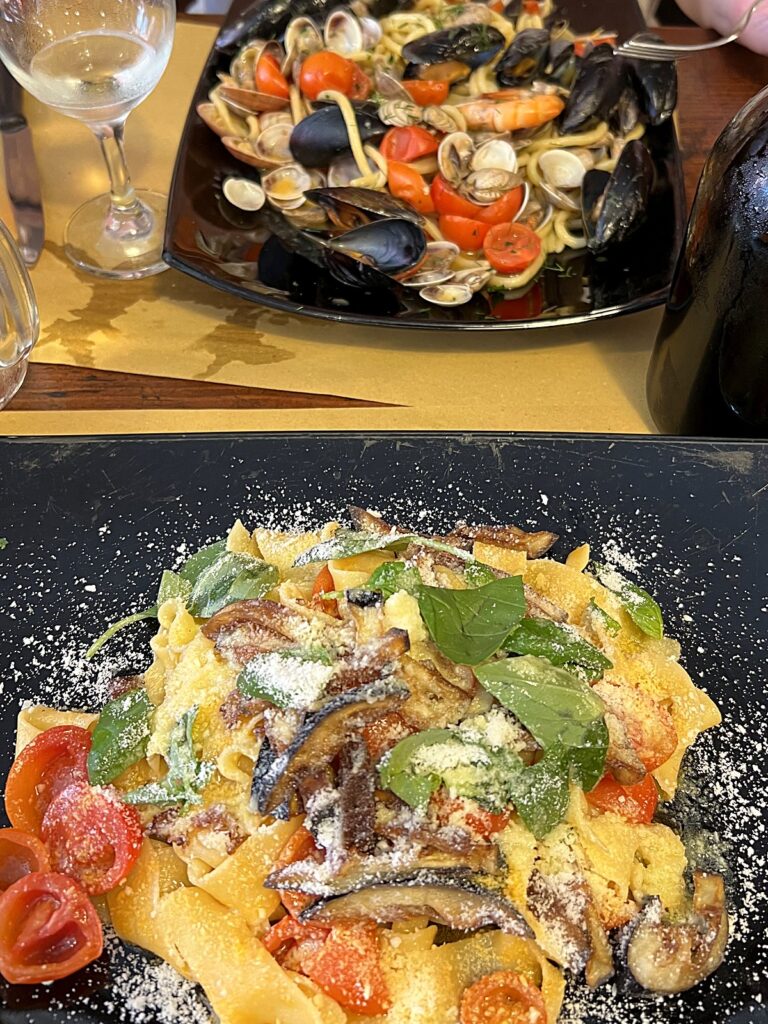
Clam pasta exists all over Italy but the vongole veraci that come from the Venice lagoon are exceptional, smaller, sweeter, and more intensely flavoured than anything farmed elsewhere. Done well, it’s pasta cooked in white wine, garlic, parsley, and the natural clam liquor, finished with a good glug of olive oil. Done badly, which is how it’s served in approximately 80% of restaurants on the tourist circuit, it’s rubbery clams in watery broth over overcooked pasta. The difference is immediate and obvious and worth seeking out a restaurant that actually does it properly. We ordered it at a little place where the plates came out on black slate and the shell pile grew embarrassingly tall, with a carafe of house white, it’s the dinner we still talk about.
Where to Try: Al Conte Pescaor, Il Paradiso Perduto
Risotto di Gò
Goby fish risotto, made with a small, ugly fish from the lagoon that has almost no commercial value outside Venice but produces an incredibly rich, intensely flavoured broth. It’s not on many menus and when you do find it, it won’t be the cheapest thing on the list, but it’s one of the most purely Venetian things you can eat. The fish is boiled down into a stock that gets used as the base for the risotto, giving it a depth that’s impossible to replicate. Ask if it’s on the menu even if you don’t see it listed, some kitchens make it only when the fish is available.
Where to Try: Il Melograno
Fritto Misto di Mare
A plate of lightly battered and fried mixed seafood, squid rings, prawns, soft-shell crab when in season, tiny sole, and whatever else came in that morning. When it’s done properly the batter is thin enough to see through, the oil is clean and hot, and the seafood inside is fresh enough to eat on its own. When it’s done badly, which is most of the time at tourist-facing restaurants, it’s a soggy, greasy, flavourless pile of frozen seafood that costs €25 and leaves you disappointed. The version at a good Venetian restaurant is a completely different dish.
Where to Try: Acqua e Mais, Ristorante San Trovaso
Moeche (Soft-Shell Crab)
Soft-shell crabs from the Venice lagoon, available only during the brief moulting seasons in spring and autumn, a few weeks at most. They’re dipped in egg, fried whole, and eaten in their entirety: shell, claws, everything. The texture is simultaneously crispy and soft, the flavour is rich and intensely crabby, and they’re one of those seasonal ingredients that Venetians genuinely get excited about. If you’re visiting in April/May or September/October and you see moeche on a menu, order them immediately, you will not find them anywhere else in the world at this quality.
Where to Try: Il Paradiso Perduto
Gelato
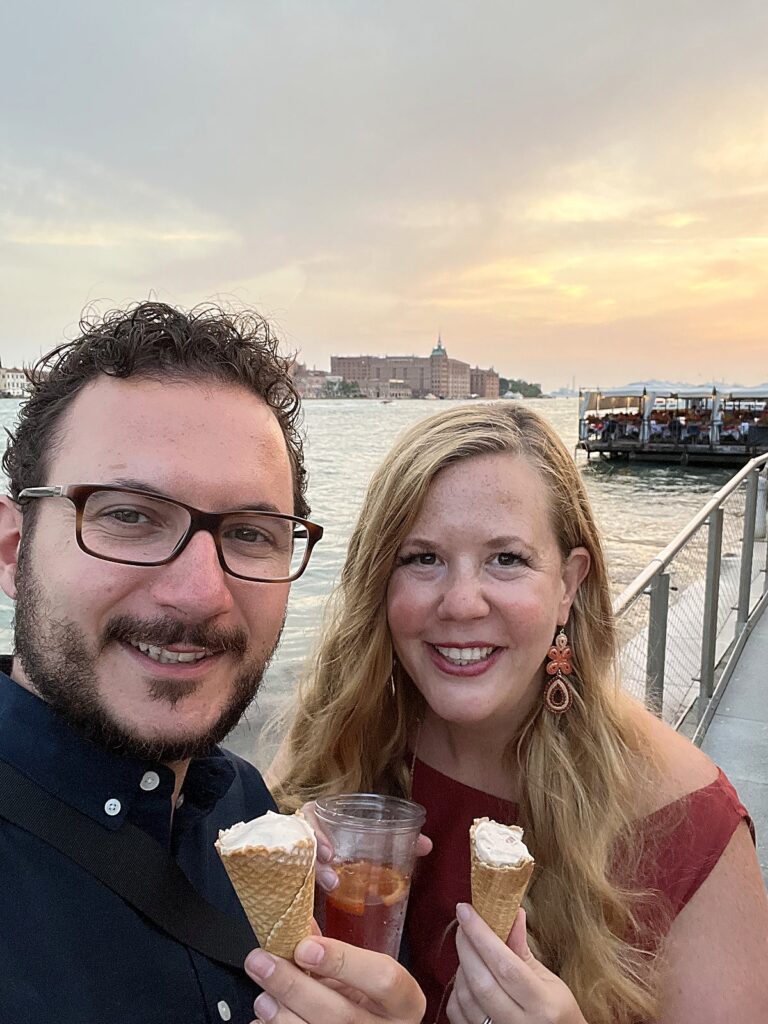
Venetian gelato at a good gelateria is the same extraordinary thing it is everywhere else in Italy, made fresh, stored in covered metal containers rather than piled high in colourful mounds, and served with a spatula rather than a scoop. The difference in Venice is that the tourist traps are particularly aggressive, so the rule is simple: if the gelato is stacked in fluorescent mountains in the window, keep walking. Look for a gelateria where you can’t see the gelato until you order, the prices are posted clearly, and there are actual Venetians in the queue. Ours came from a shop near the Zattere, eaten walking the waterfront at golden hour, we highly recommend that exact combination.
Where to Try: Rosa Salva, San Marco
Tramezzini
Soft white bread triangular sandwiches, generously filled, served at almost every bacaro and bar in Venice, tuna and olive, prawn and artichoke, egg and anchovy, mortadella and pickles. They’re the Venetian answer to the sandwich and they’re genuinely excellent: the bread is pillowy soft, the fillings are more generous than you’d expect, and they cost almost nothing eaten standing at a bar. Venice has a particular obsession with tramezzini that runs deeper than anywhere else in Italy, and a well-made one with a coffee at the bar in the morning is one of the great small pleasures of being in this city.
Where to Try: Rosa Salva, San Marco, Caffè Florian
Drinks & Specialties
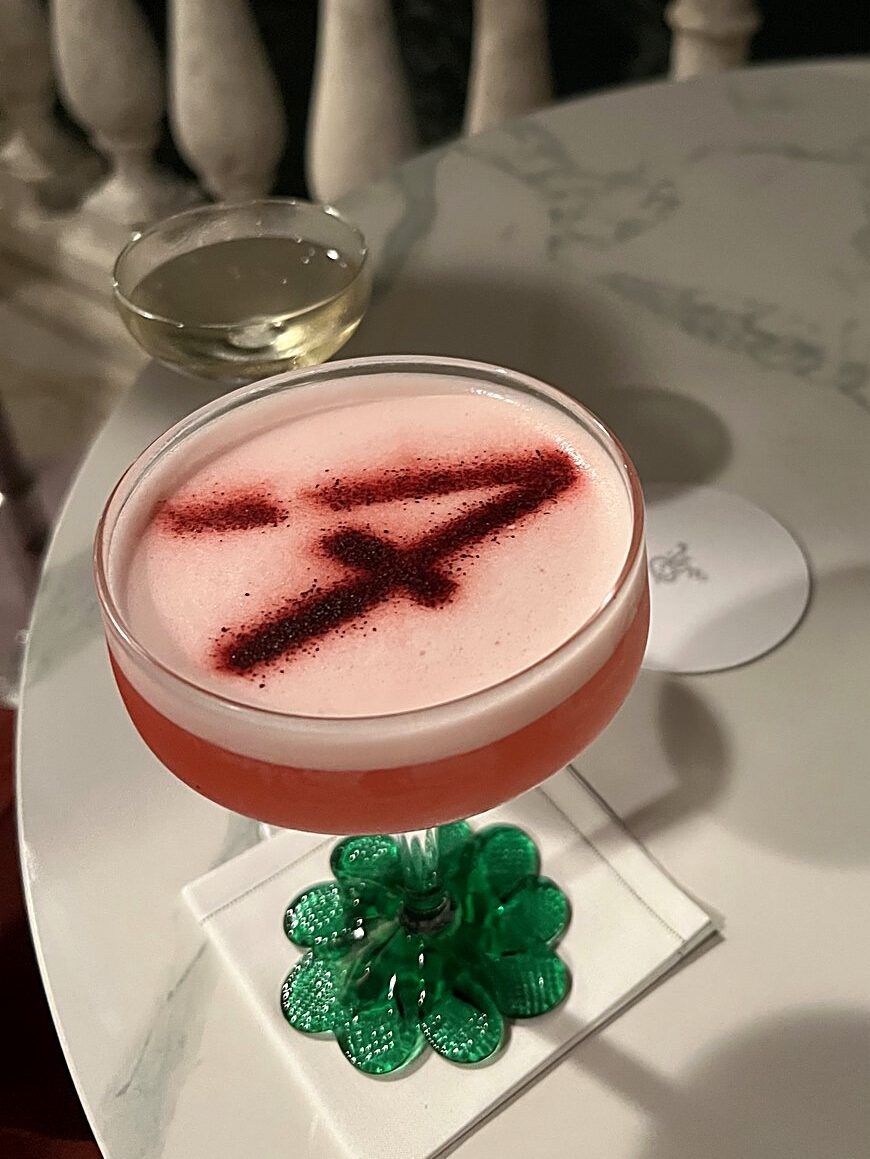
Aperol Spritz (and Campari Spritz)
The Spritz was invented in the Veneto region and Venice is where it belongs. Three parts prosecco, two parts Aperol or Campari, one part soda water, a large ice cube, and a slice of orange, ordered at a bacaro counter and drunk standing up while eating cicchetti. At a tourist bar near San Marco you’ll pay €12 to 15 for this drink. At a local bacaro in Cannaregio or Dorsoduro you’ll pay €3 to 4. The drink is identical. Walk away from the main piazzas.
Prosecco and Bellini
The Bellini, white peach purée and prosecco, was invented at Harry’s Bar in Venice in the 1940s and it’s still served there if you want the original experience (budget accordingly: Harry’s Bar is famously expensive). Outside of Harry’s, a good Bellini uses fresh white peach purée when peaches are in season, and frozen purée the rest of the year, the quality difference is significant. Prosecco on its own is the everyday drink of Venice and the Veneto, and the local bottles from the Conegliano Valdobbiadene zone are fresher and more interesting than what you’ll find exported abroad.
Veneto Wine (What to Order Beyond Prosecco)
One of our favorite things about traveling is drinking the regional wine, and the Veneto makes it easy, this is one of Italy’s biggest wine regions, and the local pours are everywhere. At a bacaro, do what Venetians do and order un’ombra: a small glass of house wine, usually €1.50 to 3. Most of the white we drank all week was exactly this, and it never once let us down.
For whites on the label, look for Soave, made from the Garganega grape, it’s dry with tasting notes of almond, white peach, and a saline minerality that could have been designed for baccalà mantecato and seafood cicchetti. Lugana, from the shores of nearby Lake Garda, is a touch creamier, pear and citrus with enough body to stand up to fritto misto and spaghetti alle vongole.
As for reds, Valpolicella is the everyday pour, light and bright with cherry and a whisper of bitter almond, happy alongside almost anything at a bacaro counter. Step up to Valpolicella Ripasso for something richer, and save Amarone della Valpolicella, the region’s famous dried-grape red with tasting notes of dark cherry, fig, chocolate, and spice, for one slow dinner. It’s one of Italy’s great wines, and a bottle in Venice costs far less than it will back home.
Venetian Coffee Culture
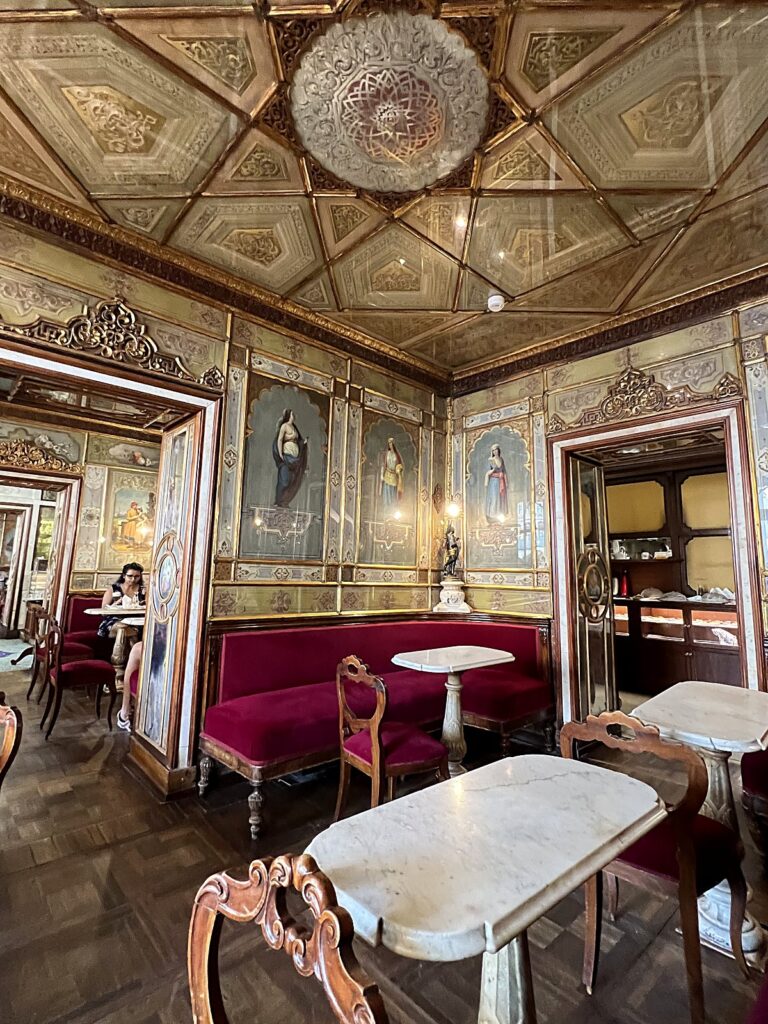
Venice takes coffee seriously in a way that doesn’t always register with visitors. Caffè Florian on Piazza San Marco has been open since 1720 and is the oldest café in continuous operation in the world, a coffee there costs significantly more than everywhere else in Venice but sitting in that room, under those painted ceilings, is genuinely worth doing once. For everyday coffee, the rule is the same as the rest of Italy: stand at the bar, pay bar prices (€1 to 1.50 for an espresso), and drink it in two sips the way it was intended. Sitting down at a table in Venice, particularly near tourist areas, will cost you four times as much for the same cup. We budgeted for Florian once, settled into the velvet seats under the gilded ceilings, and regretted nothing.
Best Restaurants, Bars & Gelaterias
Il Paradiso Perduto
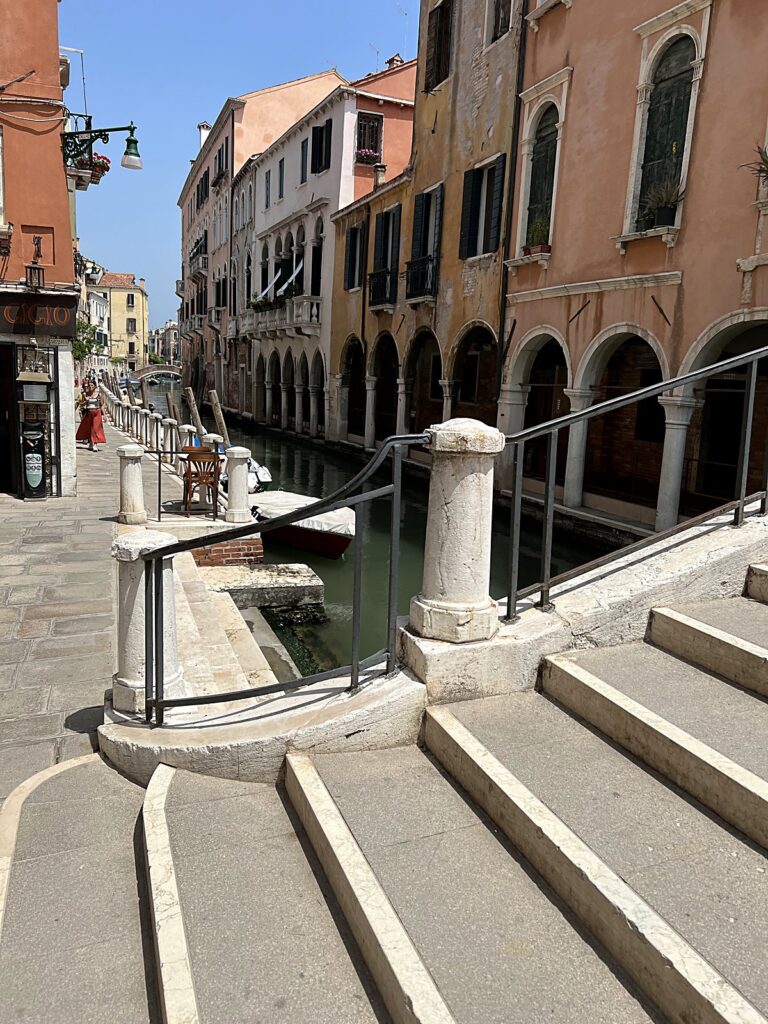
A legendary Cannaregio institution that locals have been defending as their own for decades, the kind of place where the tables are close together, the noise level is high, and the seafood pasta is exactly what you came to Venice to eat. The live music on weekend evenings is an added bonus rather than a gimmick. Go early or book ahead, it fills up fast and doesn’t take reservations in the same way a formal restaurant does.
Ristorante San Trovaso
A reliable and genuinely good neighbourhood restaurant in Dorsoduro that’s been serving honest Venetian food to both locals and in-the-know visitors for years. The fritto misto is one of the better versions in the city and the bigoli in salsa is worth ordering. Prices are fair for what you get and the setting, near the gondola repair yard of the same name, is authentically Venetian rather than staged.
Trattoria alla Palazzina
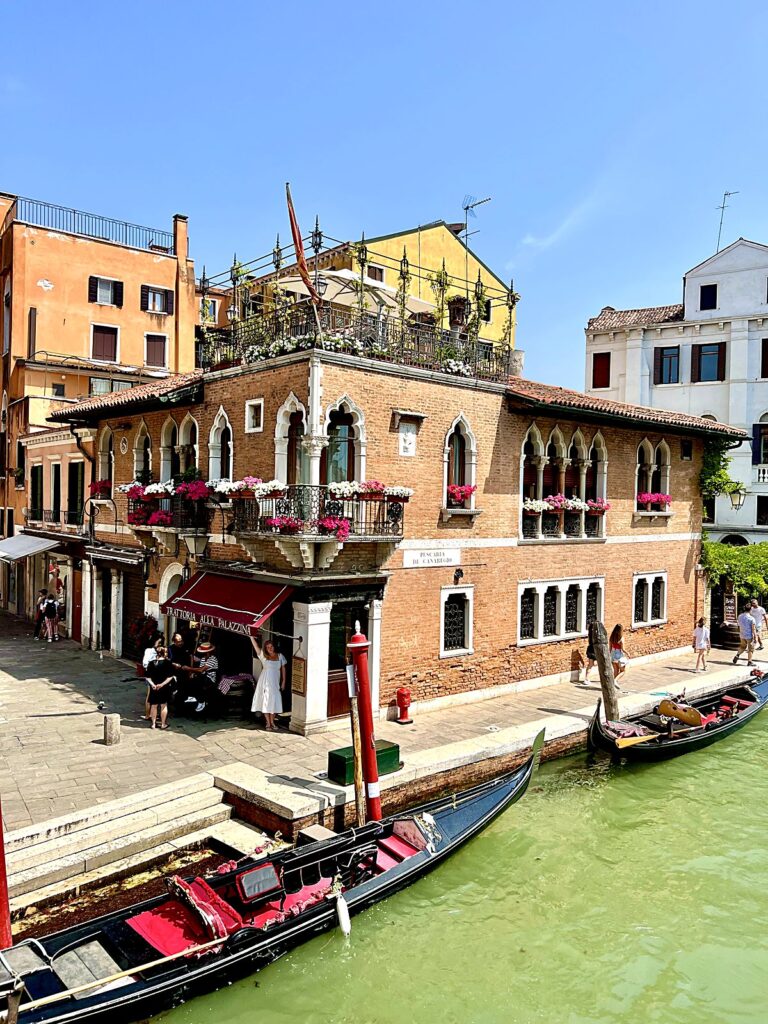
A family-run trattoria in Santa Croce that’s significantly less well-known than it deserves to be, the Venetian classics here are made with care and served without ceremony, and the sarde in saor is among the best we’ve eaten in the city. It’s the kind of place where the handwritten menu changes based on what came in at the market that morning. Booking ahead is recommended.
Acqua e Mais
A tiny takeaway counter near the Rialto that does one thing brilliantly: fried seafood in a cone or on a paper plate, eaten standing outside over a canal. The batter is light, the oil is clean, and the seafood is genuinely fresh, it’s the best version of fast food in Venice and costs a fraction of what you’d pay sitting down anywhere nearby. Find it, queue for it, eat it immediately.
Enoteca al Volto
One of the best wine bars in Venice, the cicchetti counter here is excellent and the wine list is genuinely interesting, with a depth of Veneto producers that goes well beyond the usual prosecco-and-pinot-grigio offering. It’s been operating since 1936 and the atmosphere reflects that history without being precious about it. Go for aperitivo hour and stay longer than you planned.
Vini al Bottegon
A tiny, wildly loved canal-side bacaro in Dorsoduro (officially Cantine del Vino già Schiavi) where the counter groans under crostini and the wine is poured without ceremony. We had our best cicchetti of the trip standing at this counter, the baccalà mantecato crostini are non-negotiable. Grab your glass, step out to the canal edge, and settle in.
Rosa Salva, San Marco
A Venetian institution for pastries, coffee, and gelato, the tramezzini here are some of the best in the city and the pastry counter in the morning is exactly what breakfast should look like. The gelato is made properly and served without the fluorescent mountain theatre of the tourist spots. It’s in San Marco which means the location is convenient, and the prices reflect that, but not outrageously.
Al Conte Pescaor
A well-regarded seafood restaurant in San Marco that manages to be genuinely good despite its proximity to the tourist trail, the vongole and the baccalà mantecato are both worth ordering. It’s a proper sit-down restaurant rather than a bacaro, which means it suits a longer meal rather than a quick cicchetti stop. The service is attentive without being pushy.
Corner Pub
Don’t let the name mislead you, this is a Venetian bacaro that happens to have an English name, and it’s a genuinely good cicchetti stop with a well-priced wine list and a counter that’s usually full of a reassuring mix of locals and tourists who know what they’re doing. It’s casual, convivial, and exactly the right place to do a giro d’ombra through.
🏨 Where to Stay
Where to Stay in Venice
The best Venice neighborhoods, an honest look at the St. Regis and JW Marriott, and how to arrive by water and stay away from the busiest canals.
Read the full guide →Frequently Asked Questions About Venice Food
Is Venice worth visiting just for the food?
Absolutely, the food in Venice is genuinely distinctive from the rest of Italy, not just a variation on the same theme. The lagoon seafood, the cicchetti culture, the unique dishes like sarde in saor and moeche are things you can only really experience here. The city also happens to be visually extraordinary, which helps. Go for the food and stay for everything else.
How do I avoid tourist trap restaurants in Venice?
The single most reliable signal is a menu with photographs of the food, that’s almost always a sign the restaurant is targeting tourists who need visual reassurance rather than locals who know what they’re ordering. Other red flags: a host standing outside aggressively trying to bring you in, laminated menus in six languages, and prices for pasta above €18 to 20. Walk into side streets and small campi away from the main routes, look for handwritten menus or daily specials on a chalkboard, and check whether there are any Venetians actually eating there. We took our obligatory Rialto Bridge photos with everyone else, then walked somewhere quieter to eat. The two activities don’t have to happen in the same place.
What is cicchetti and where is the best place to eat it?
Cicchetti are small bar snacks, essentially Venetian tapas, served at bacari (wine bars) throughout the city. They typically cost €1 to 3 per piece and are eaten standing at the bar with a small glass of wine or prosecco. The best areas for cicchetti are Cannaregio (particularly around Fondamenta della Misericordia), San Polo near the Rialto market, and Dorsoduro around Campo Santa Margherita. The ritual of moving between two or three bacari for cicchetti and wine, called a giro d’ombra, is the best and most affordable way to eat in Venice.
When is the best time to visit Venice for food?
May and October are the sweet spot, the city is busy but manageable, the seasonal ingredients are at their best (artichokes and moeche in spring, rich lagoon seafood in autumn), and the restaurants are competing for a slightly more discerning clientele than they do in peak summer. Winter is genuinely underrated if you don’t mind the cold and occasional flooding, the city is quieter, the locals are back in their own restaurants, and the food is excellent value.
How much should I budget for food in Venice?
Venice has a reputation for being expensive, and it is if you eat in the wrong places. Eating well at bacari and local restaurants, you can have an outstanding cicchetti lunch for €10 to 15 including wine, and a full dinner at a good neighbourhood trattoria for €35 to 50 per person with wine. The mistake is eating near San Marco and the Rialto Bridge, where the same meals cost two to three times as much for significantly lower quality. Budget roughly the same as you would for a good dinner in any major European city, just be deliberate about where you spend it.
🌍 Exploring More of Italy?
Venice is just the beginning. Here’s where to head next:
- Rome Food Guide, the four iconic pastas, Jewish quarter gems, and where locals actually eat
- Florence Food Guide, bistecca, truffles, and the Tuscan dishes worth crossing the country for
- Naples Food Guide, where pizza was invented, and the street food scene that never sleeps
- Amalfi Coast Food Guide, limoncello, fresh seafood pasta, and the best restaurants in Positano and Ravello
📌 Save This Guide for Later!
Planning a trip to Venice? Pin this guide to your travel boards so you can find it when you’re ready to book, cicchetti, seafood pasta, the best bacari, and every tourist trap to avoid.
📌 Pin this guide →