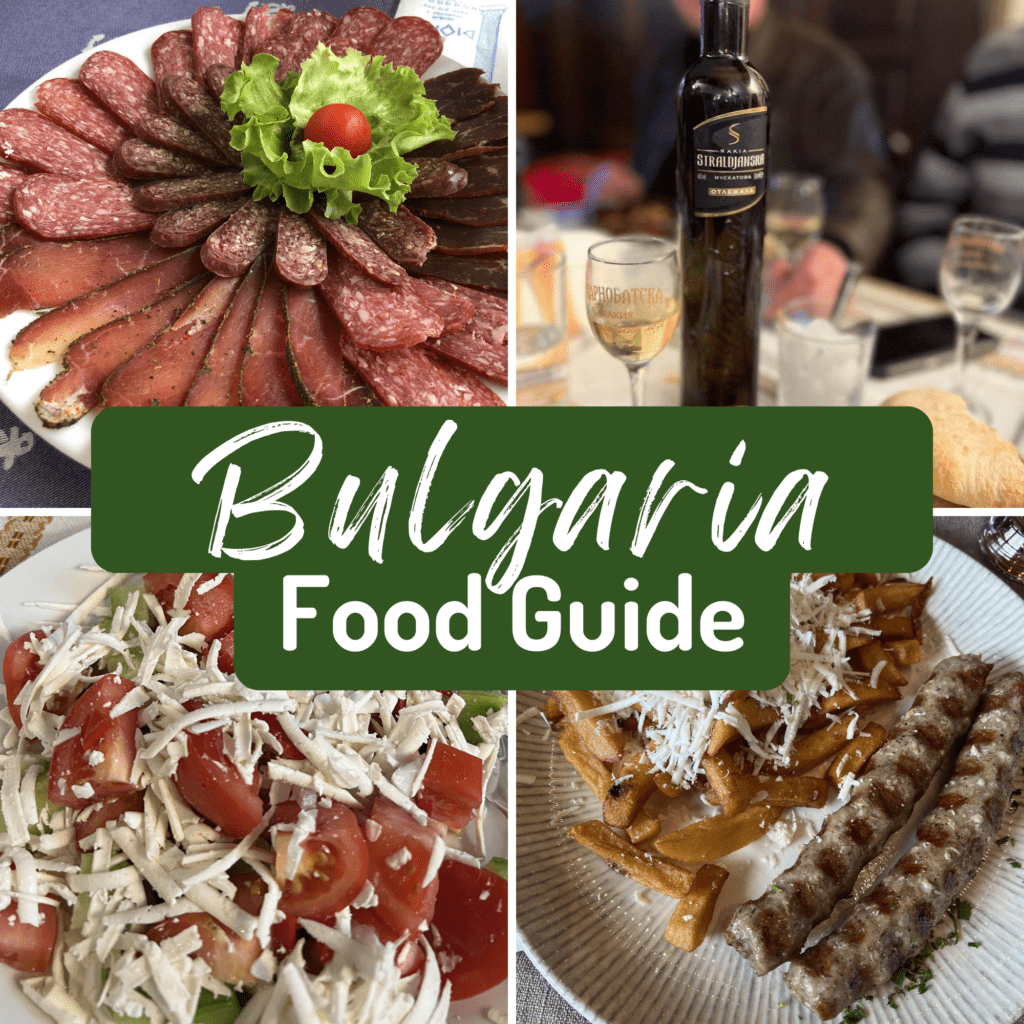
I grew up in Gabrovo, a small town in central Bulgaria tucked into the Balkan Mountains, where food wasn’t just something you ate—it was how you showed up for people. My grandmother’s kitchen always smelled like something slow-cooking on the stove: sarmi stuffed with rice and meat, bob chorba bubbling in a clay pot, or banitsa cooling on the counter after being pulled from the oven at dawn.
Bulgarian food is comfort food. It’s grilled meats seasoned with cumin and served with a side of shopska salad. It’s feta cheese on everything—crumbled over fries, stuffed into peppers, added to scrambled eggs. It’s bread still warm from the bakery, ripped apart and dipped into lyutenitsa or sprinkled with sharena salt. And it’s always, always accompanied by a glass of homemade rakia that your uncle insists you try.
We don’t complicate things in Bulgaria. Good food comes from good ingredients: fresh vegetables from the market, meat from the butcher, and yogurt made with Lactobacillus bulgaricus—the bacteria strain that exists only in Bulgaria and makes our yogurt different from anything else in the world. We’re very proud of that yogurt. You’ll see it in everything from cold yogurt soups to salad dressings to desserts.
This guide covers the essential dishes you need to try on your next trip to Bulgaria, the best places to eat them in Sofia, Plovdiv, and Varna, and what makes Bulgarian food so deeply satisfying. It’s the food I grew up eating, the food I still crave, and the food that reminds me of home every single time.
Essential Bulgarian Foods You Need to Try
Banitsa
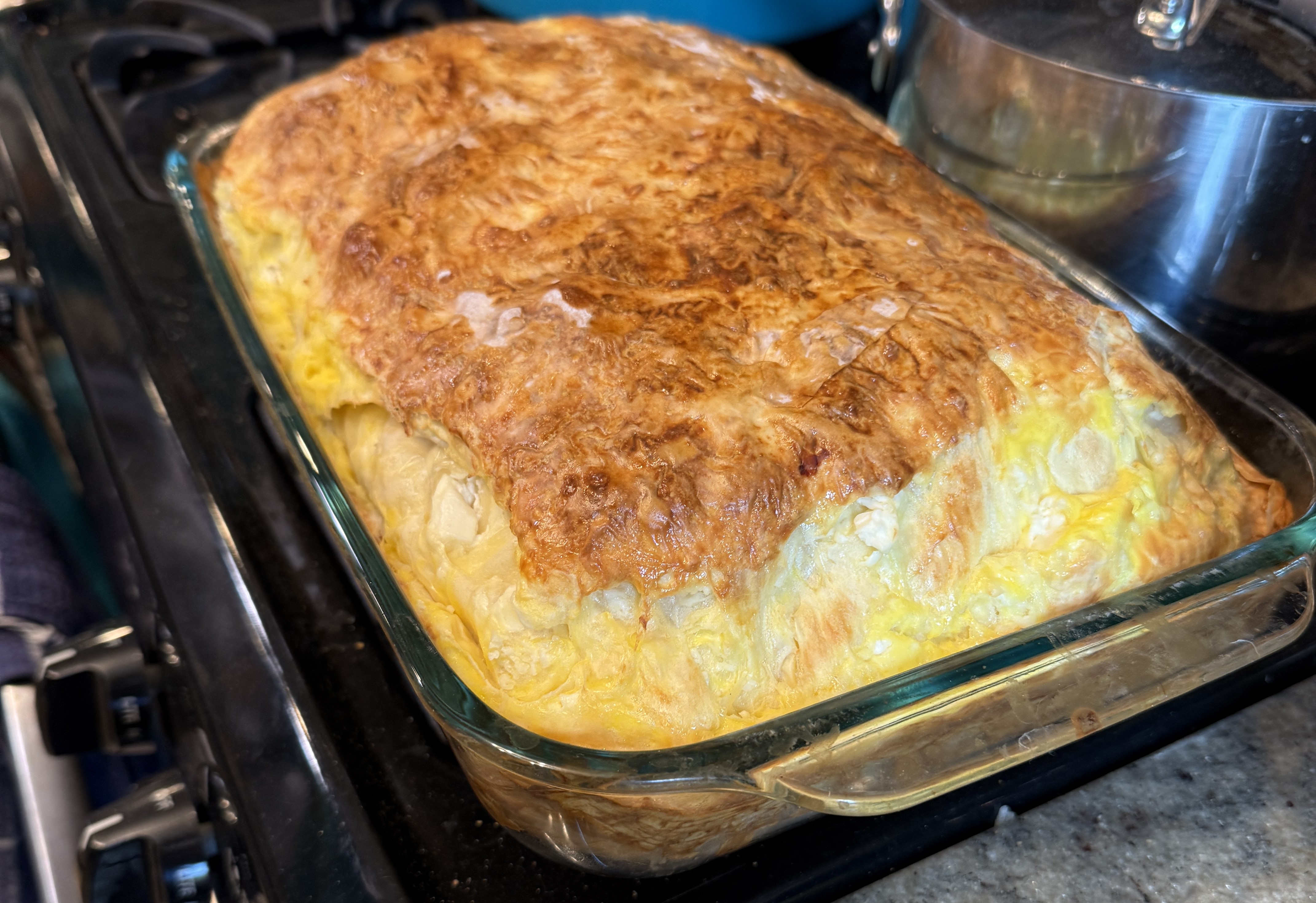
Banitsa is Bulgaria’s answer to breakfast pastry, and you’ll literally see it everywhere—bakeries, cafes, street vendors, gas stations, and bus stations. It’s made with thin sheets of phyllo dough layered with beaten eggs and feta cheese (sirene), then baked until golden and flaky.
The traditional version is simple and perfect: just feta and eggs layered between sheets of phyllo. But you’ll also find banitsa with spinach similar to the Greek spanakopita. It’s often paired with the Bulgarian yogurt drink Ayran.
Bulgarians eat banitsa for breakfast, as a snack, or even as a quick lunch. It’s best eaten warm, straight from the oven, when the layers are still crispy and the cheese is melted. You’ll find the best versions at small neighborhood bakeries, not tourist cafes.
Where to find it: Any bakery or cafe, mostly in the morning. Look for places with a line of locals—that’s usually a good sign.
Fries with Feta Cheese
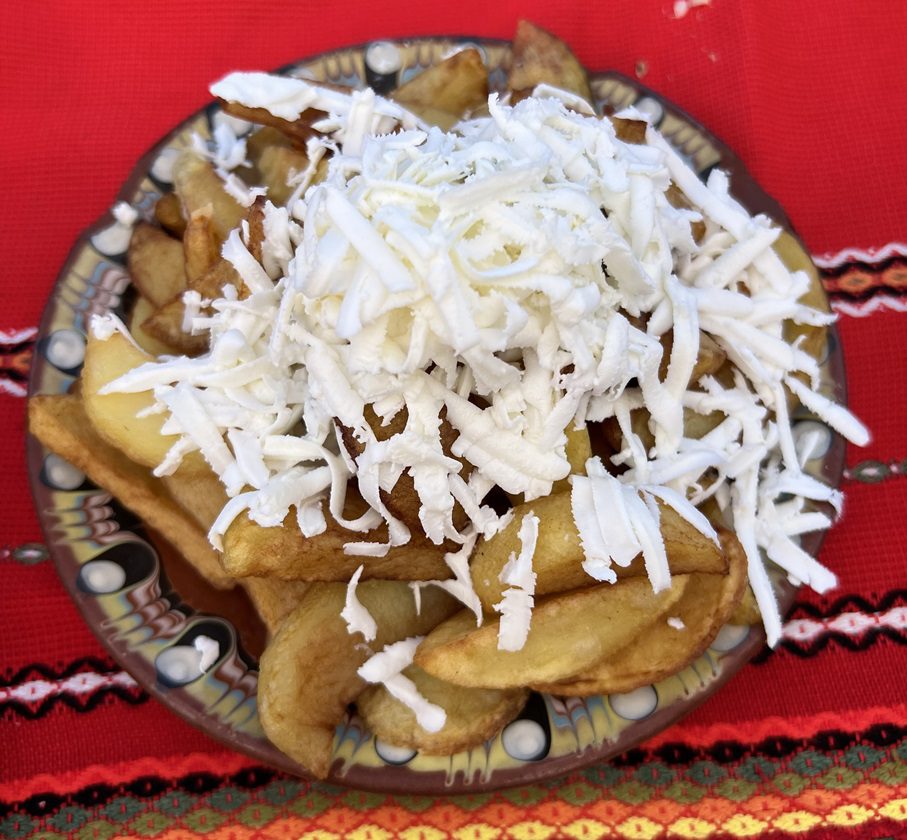
This sounds simple because it is: French fries topped with crumbled feta cheese. But somehow Bulgaria has perfected it.
The fries are thick-cut and crispy, seasoned with salt and sometimes paprika. The feta (or more accurately, sirene—Bulgarian white cheese) is crumbled on top while the fries are still hot, so it starts to melt slightly.
It’s the kind of dish that seems too basic to be memorable, and then you order it three more times because it’s exactly what you want with a cold beer.
Where to try it: Literally anywhere you go, just ask for French Fries with Sirene (Feta)
Kebabche, Kyufte, and Meshana Skara
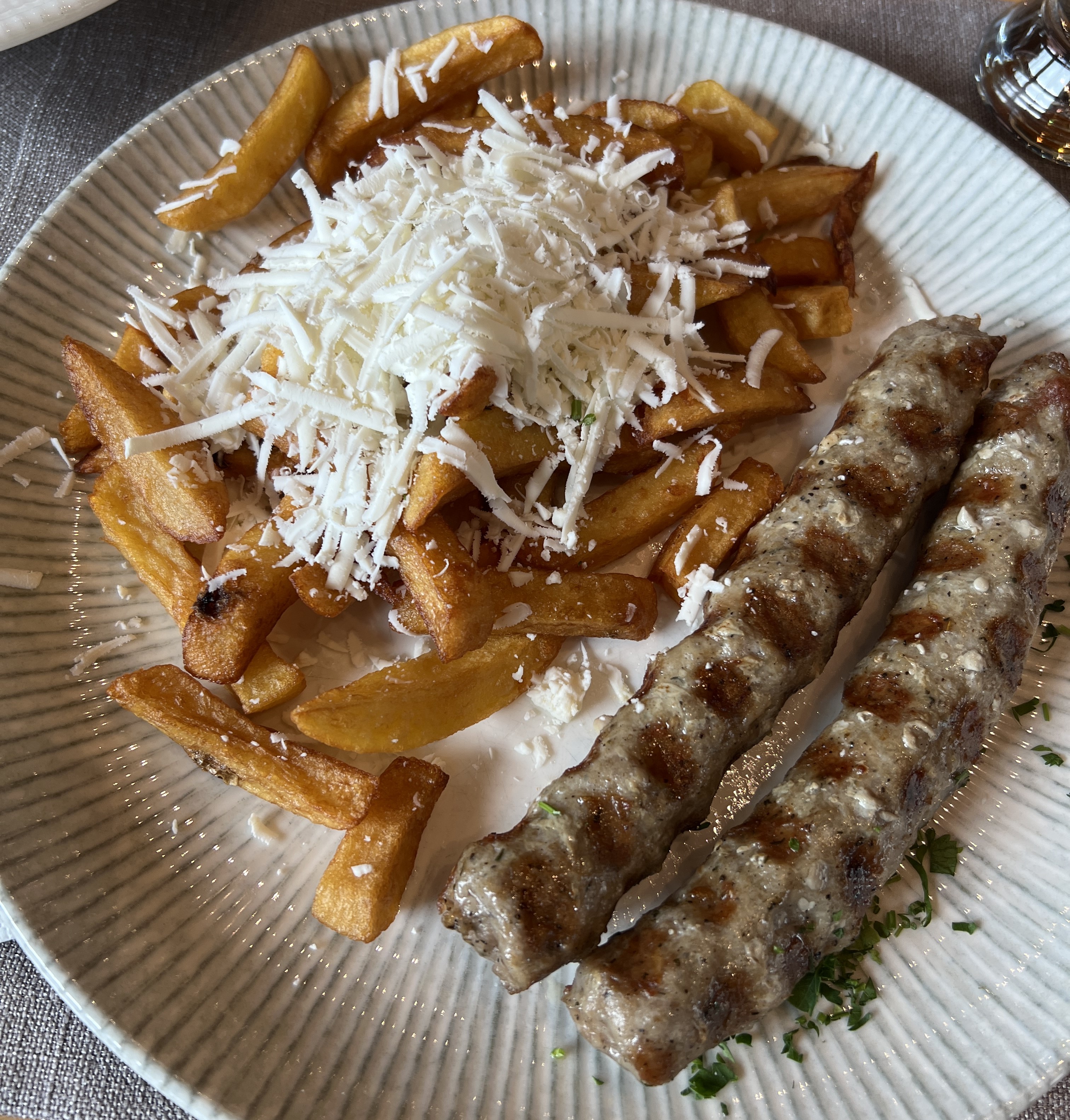
Kebapche (small kebab) is a grilled sausage made from minced pork and beef, seasoned heavily with cumin and black pepper. Order 2 or 3 as a meal with a side of shopska salad or fries with feta. Some traditional restaurants will serve with lyutenitza.
Kyufte is essentially a Bulgarian meatball, also made with pork and beef, seasoned with similar spices and usually has onions and carrots added for extra juiciness and flavor. It’s grilled the same way as kebapche, with a crispy exterior and juicy interior.
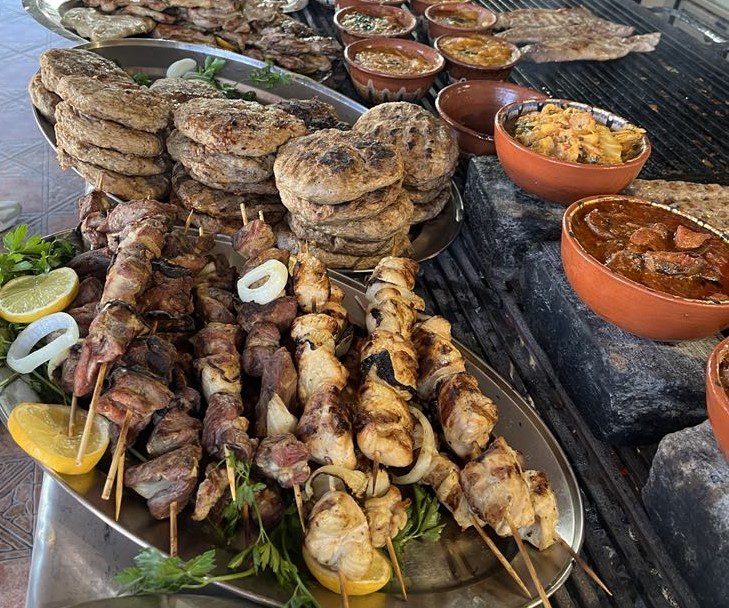
Meshana skara translates to “mixed grill,” and it’s exactly that: a platter of kebapche, kyufte, pork chops, sausages, and sometimes chicken, all grilled and usually served with roasted peppers or lyutenitza. This is the dish to order if you’re hungry and want to try everything at once.
Best places to try: Every traditional restaurant will have these three staples and you can judge the quality of the restaurant by the quality of their kebabches and meshana skara.
Shopska Salad, Ovcharska Salad, and Other Salads
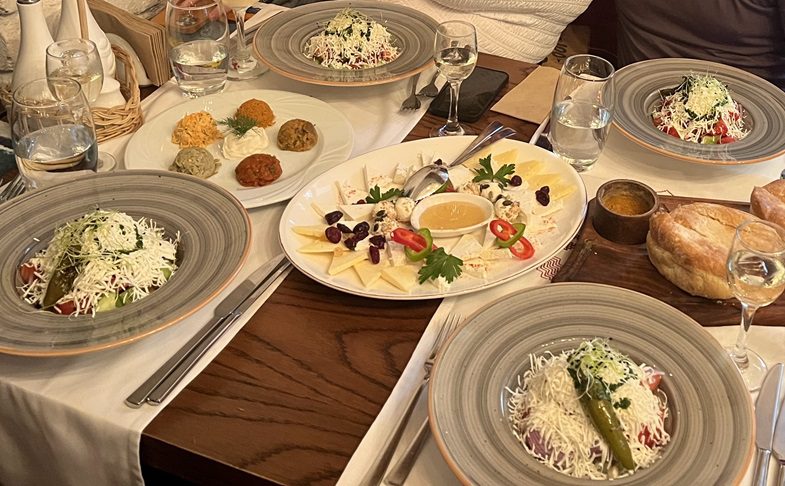
Bulgarian salads are more than just side dishes—they’re an essential part of every meal, often ordered before anything else arrives.
Shopska salad is Bulgaria’s most famous salad and the one you’ll see on every menu. It’s made with chopped tomatoes, cucumbers, and onions topped with a generous heap of grated sirene (feta cheese). The vegetables are fresh and crunchy and the cheese is salty and creamy. Oil, vinegar, salt, and pepper are usually placed on the table to add to your salad based on preference.
The term Shopska comes from the name Bulgarians give to Sofia-natives — Shopi. The salad is refreshing, especially on a hot day, and pairs perfectly with grilled meats and especially with rakia. Bulgarians will tell you this salad was invented here, not in Greece, and they’re serious about it.
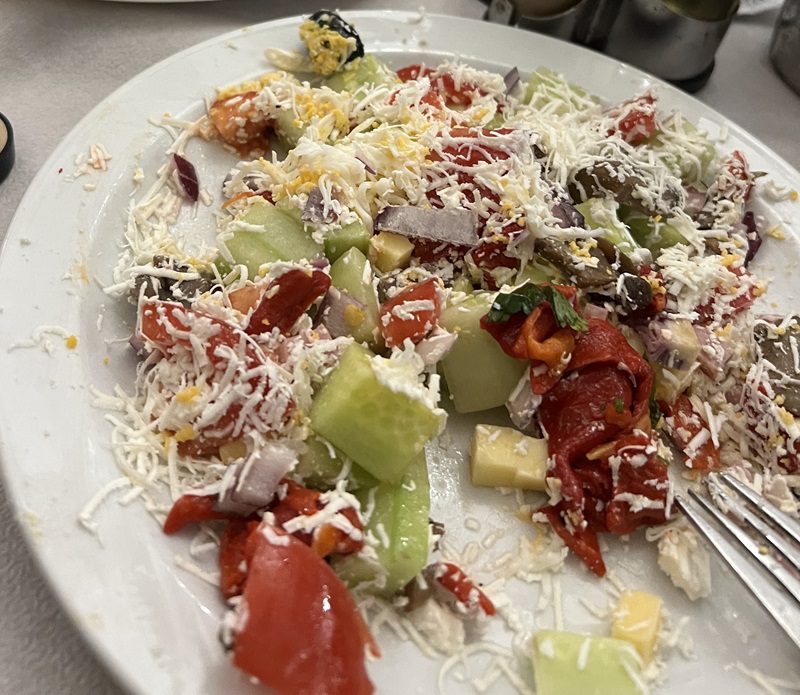
Ovcharska salad (shepherd’s salad) is similar but includes roasted peppers, mushrooms, and sometimes ham or sausage, making it heartier than shopska. The sirene is usually cubed rather than grated, and the dressing is a bit richer.
You’ll also find snezhanka (snow white salad), which is thick yogurt mixed with cucumbers, garlic, dill, and walnuts. It’s cooling and garlicky, almost like tzatziki but thicker and more substantial.
Salads in Bulgaria are generous. Even a “side salad” could easily be a meal on its own.
Ordering tip: Always start with a shopska salad. It’s the default move at any Bulgarian restaurant, and it primes your palate for the heavier dishes to come.
Sarmi
Sarmi are similar to the Greek dolma, but with cabbage leaves and stuffed with a mixture of rice, minced meat (usually pork), onions, and herbs, then slowly cooked in a tomato-based sauce.
The best sarmi are tender, with the cabbage soft enough to cut with a fork but still holding its shape. The filling should be savory and slightly tangy from the tomatoes. Bulgarians often serve sarmi with a dollop of thick yogurt on top, which balances the richness.
This is comfort food—the kind of dish grandmothers make for Sunday dinners. You won’t find it at every restaurant, but when you do, it’s usually a good sign that the kitchen takes traditional cooking seriously.
Where to try: Moma Bulgarian Food and Wine in Sofia for a refined version. Traditional taverns in Plovdiv and Varna also do excellent sarmi.
Moussaka (Bulgarian Style)
Bulgarian moussaka is different from the Greek version. Bulgarian moussaka is made with layers of sliced potatoes and minced meat (usually pork or beef), topped with a mixture of yogurt and eggs, then baked until golden.
The result is creamy, savory, and hearty—more like a casserole than the structured Greek version. The yogurt topping gives it a slight tang that cuts through the richness of the meat and potatoes.
Where to find it: Traditional restaurants and taverns. It’s often listed under “home-style” or “traditional” sections of the menu.
Lukanka and Other Cured Meats
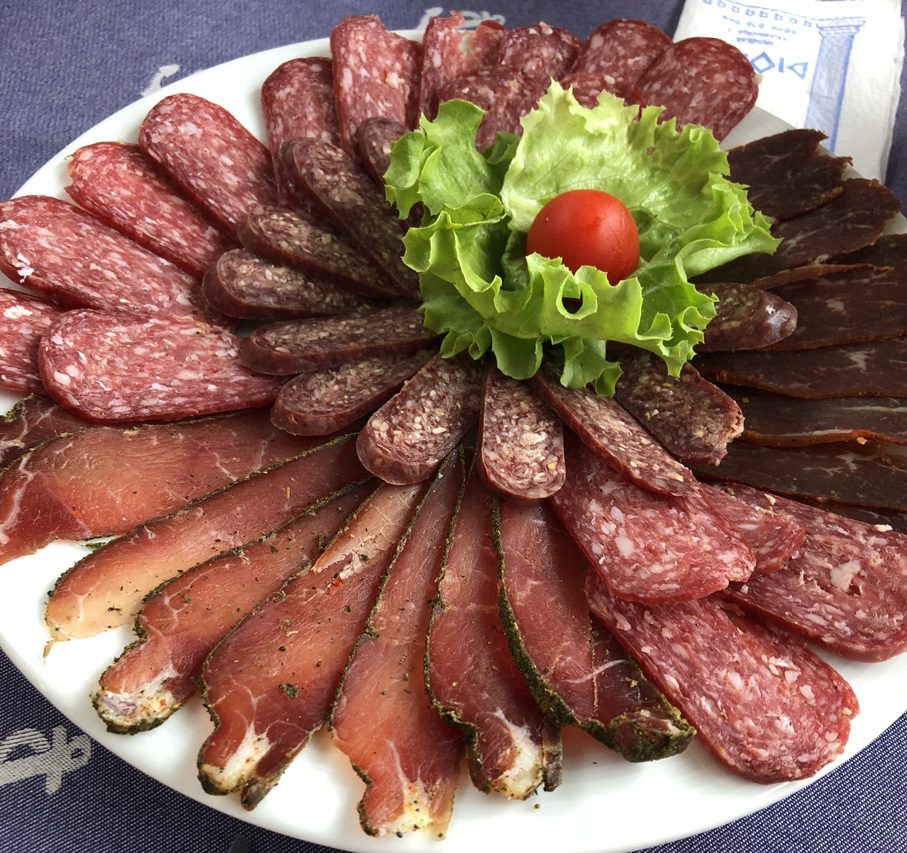
Lukanka is Bulgaria’s answer to salami—a dry-cured sausage made with pork (sometimes beef), seasoned with cumin, black pepper, and salt, then air-dried for several weeks.
The texture is firm with a deep, savory flavor. It’s often served as part of a meze platter alongside white cheese, olives, roasted peppers, and bread. Bulgarians also snack on it with rakia.
Other cured meats to try include sudzhuk (a spicier, fattier sausage) and File Elena (dry-cured pork tenderloin with spices).
Soups and Stews: Bob Chorba and Shkembe Chorba
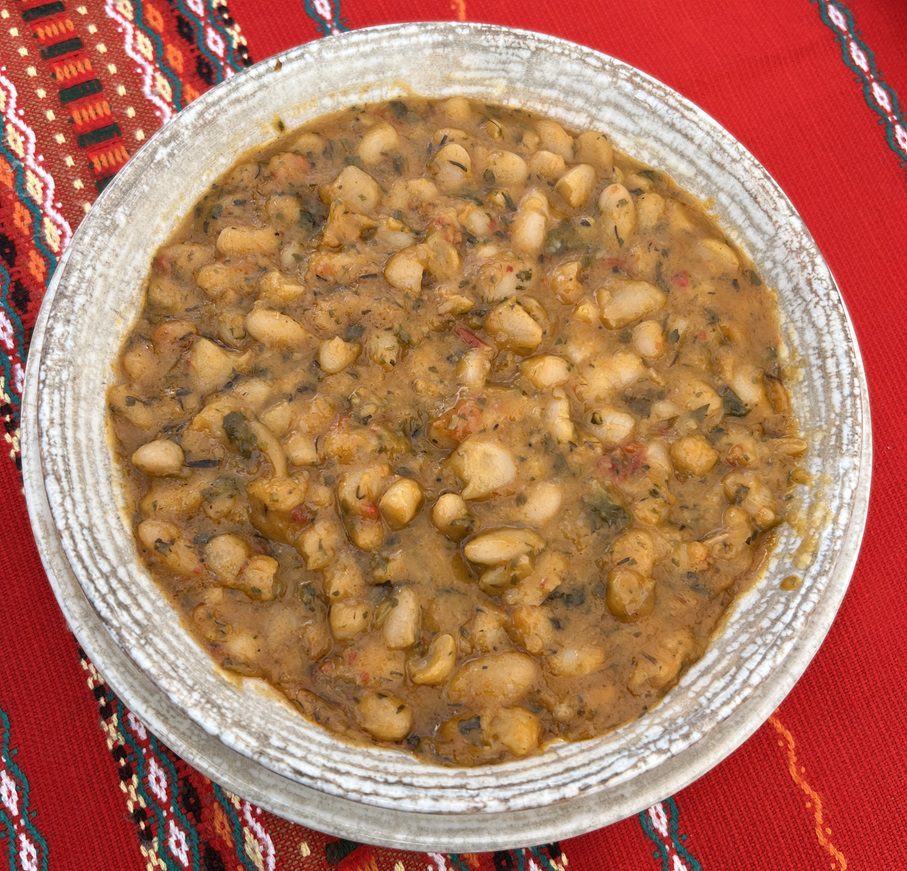
Bulgarian soups are substantial—thick, hearty, and often served as a main course rather than a starter.
Bob chorba is a white bean soup made with onions, tomatoes, peppers, and sometimes smoked meat or sausage or even kyufte! It’s seasoned with paprika and served with a drizzle of olive oil and fresh parsley. The beans are creamy, the broth is rich, and it’s the ultimate comfort soup in Bulgaria.
Shkembe chorba is tripe soup, and it’s Bulgaria’s most famous hangover cure. It’s made with cleaned beef tripe, milk, garlic, and vinegar, creating a creamy, tangy soup that’s polarizing—you’ll either love it or hate it. Bulgarians swear by it after a night of drinking rakia.
If tripe isn’t your thing, try tarator instead—a cold soup made with yogurt, cucumbers, garlic, dill, and walnuts. It’s refreshing and cooling, perfect for hot summer days. I’m more of a tarator person myself.
Lyutenitsa
Lyutenitsa is a thick spread made from roasted red peppers, tomatoes, garlic, and sometimes eggplant or carrots, cooked down until it’s rich and jammy.
It’s smoky, slightly sweet, and incredibly versatile. Bulgarians spread it on bread for breakfast, serve it alongside grilled meats, or eat it straight from the jar with a spoon.
Every family has their own recipe, and homemade lyutenitsa is considered far superior to store-bought. If you’re invited to someone’s home and they offer you their homemade lyutenitsa, accept it—it’s a sign of hospitality.
Bread with Sharena Salt
This is simple but essential: fresh bread served with sharena salt, a colorful blend of salt, dried summer savory, fenugreek, and sometimes paprika or marigold petals.
The salt is vibrant—usually orange, yellow, or pink—and the flavor is herbaceous and slightly floral. You dip warm bread into it, or sprinkle it over shopska salad, grilled meats, or roasted vegetables.
It’s one of those small things that becomes a habit quickly. After a week in Bulgaria, you’ll start expecting it with every meal.
Where to try: Moma Bulgarian Food and Wine in Sofia serves excellent bread with sharena salt. You can also buy jars of it at markets to take home.
Sirene and Bulgarian Yogurt
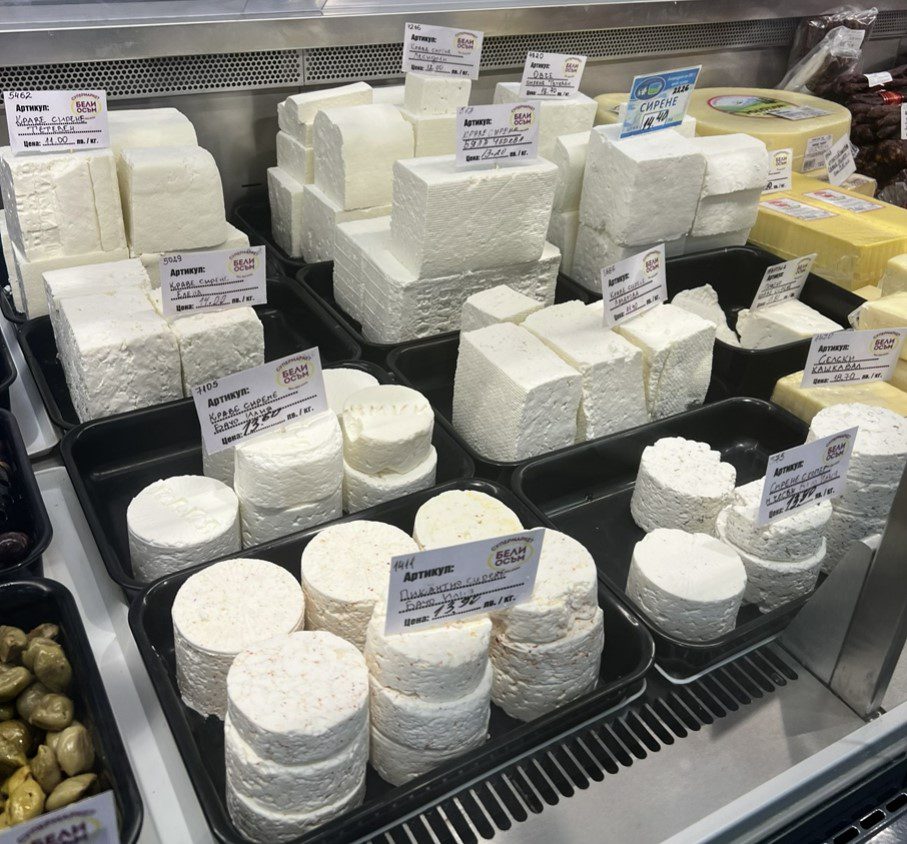
Sirene is religion in Bulgaria. It’s similar to feta but creamier and slightly milder. It’s made from cow’s milk, sheep’s milk, or a combination of both. You’ll find it crumbled over shopska salad and fries, baked into banitsa, or served alongside bread and lyutenitsa, and even scrambled in eggs. The texture is crumbly but moist, and the flavor is tangy with a pleasant saltiness. It’s the backbone of Bulgarian cuisine—nearly every meal involves sirene in some form.
Bulgarian yogurt deserves its own paragraph because Bulgarians are as serious about it as they are about the first AND second Bulgarian Empires (look it up, no joke). The yogurt here is thick, creamy, and tangy, made with a specific bacterial strain (Lactobacillus bulgaricus) found naturally in Bulgaria.
Bulgarians claim their yogurt is the reason for their longevity and the yogurt is genuinely amazing especially in tarator and on the side with sarmi and stuffed bell peppers.
Why it’s special: The bacterial strain used in Bulgarian yogurt is unique to the region and contributes to both the flavor and texture. It’s protected as a traditional product, meaning true “Bulgarian yogurt” must be made with this strain.
Essential Bulgarian Drinks
Rakia
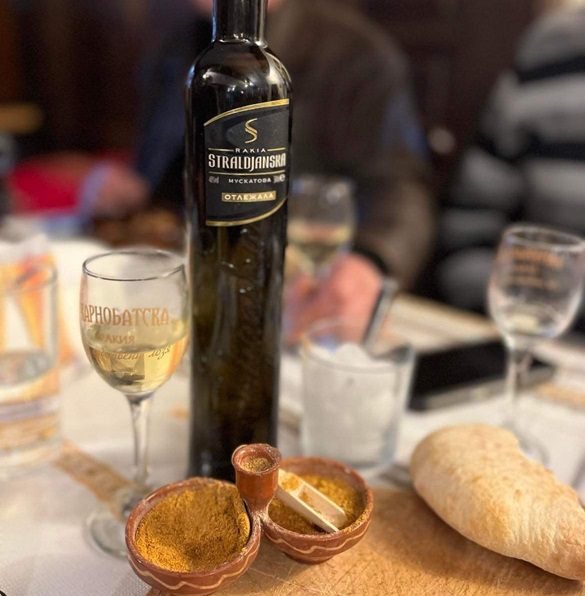
Rakia is Bulgaria’s national treasure — a clear fruit brandy with an alcohol content between 40-50%. It’s made from fermented grapes (and also plums, or apricots) and distilled in copper stills.
Nearly every Bulgarian family makes their own rakia, and there’s a friendly but serious competition about whose batch is best. Recipes are passed down through generations, and the distilling process is treated with reverence. The flavor varies depending on the fruit used. Grape rakia (grozdova) is common and smooth. Plum rakia (slivova) is richer and more complex. Apricot rakia (kaisieva) is slightly sweeter and aromatic.
When Bulgarians offer you homemade rakia, they’re sharing something personal. You’re expected to try it, comment on the quality (always compliment it), and maybe have a second small glass.
Rakia is traditionally drunk at the start of a meal, alongside shopska salad. It’s sipped slowly, not shot, and it’s meant to stimulate the appetite.
Ayran
Ayran is a cold, salty yogurt drink made by mixing Bulgarian yogurt with water and salt. It’s refreshing, slightly tangy, and surprisingly addictive once you get used to the savory flavor.
Bulgarians drink ayran with banitsa for breakfast, or alongside heavy meals to aid digestion. It’s also popular as a hangover remedy.
Where to try: Bakeries and cafes serve it fresh in the morning. Grocery stores also sell bottled versions, though fresh is always better.
Boza
Boza is a thick, sweet fermented drink made from millet, wheat, or corn. It has a malty, slightly sour flavor and a consistency somewhere between a milkshake and porridge.
The alcohol content is very low (around 1%), so it’s not really alcoholic. It’s more of a breakfast drink or afternoon snack, often paired with banitsa.
Boza is an acquired taste. Some people love the malty sweetness; others find the texture off-putting. Either way, it’s worth trying once for the cultural experience.
Where to find it: Traditional bakeries and cafes, especially in the morning. Look for places serving banitsa—they usually have boza as well.
Bulgarian Wine
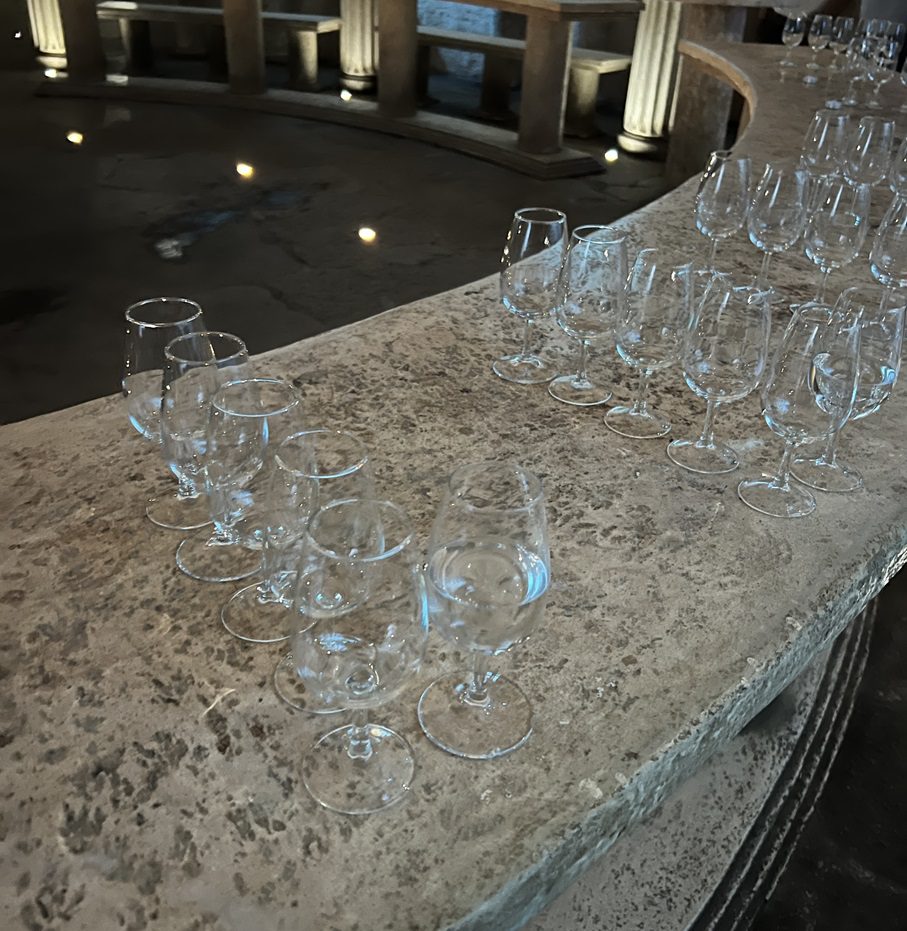
Bulgaria has been making wine for literally thousands of years, and the wine scene here is absolutely impressive.
Mavrud is Bulgaria’s signature red grape, grown primarily in the Thracian Valley. It produces full-bodied, tannic wines with flavors of dark fruit, tobacco, and spice. Mavrud ages beautifully and pairs perfectly with grilled meats.
Melnik is a red grape variety grown near the town of Melnik in southwestern Bulgaria. The wines are rich, concentrated, and earthy, with a velvety texture. Melnik is considered one of Bulgaria’s finest wines.
Other notable varieties include Rubin (a Bulgarian hybrid grape between Syrah and the Italian Nebbiolo), Dimiat (a crisp white wine), and Vrachanski Misket (an aromatic white similar to Muscat). Popular grapes like Chardonnay and Cabernet Sovignon thrive along the Danube River on the north side of the counry and Pino Noir along the Black Sea coastline.
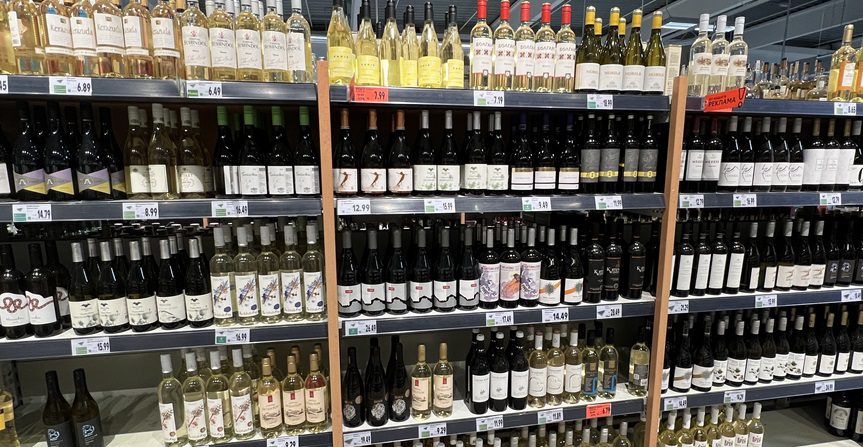
Bulgarian wine is VERY affordable, even at restaurants and absolutely delicious. Due to Bulgaria’s many regions, you’ll be able to find a type of wine that caters to your palate, taste, and need no matter what.
Where to try: Moma Bulgarian Food and Wine in Sofia has an excellent wine list focused on Bulgarian producers.
Also check out my Florence Food Guide for Tuscan specialties and wine, or my Amalfi Coast Food Guide for coastal Italian cuisine and limoncello.
Where to Stay and Eat in Bulgaria
Sofia
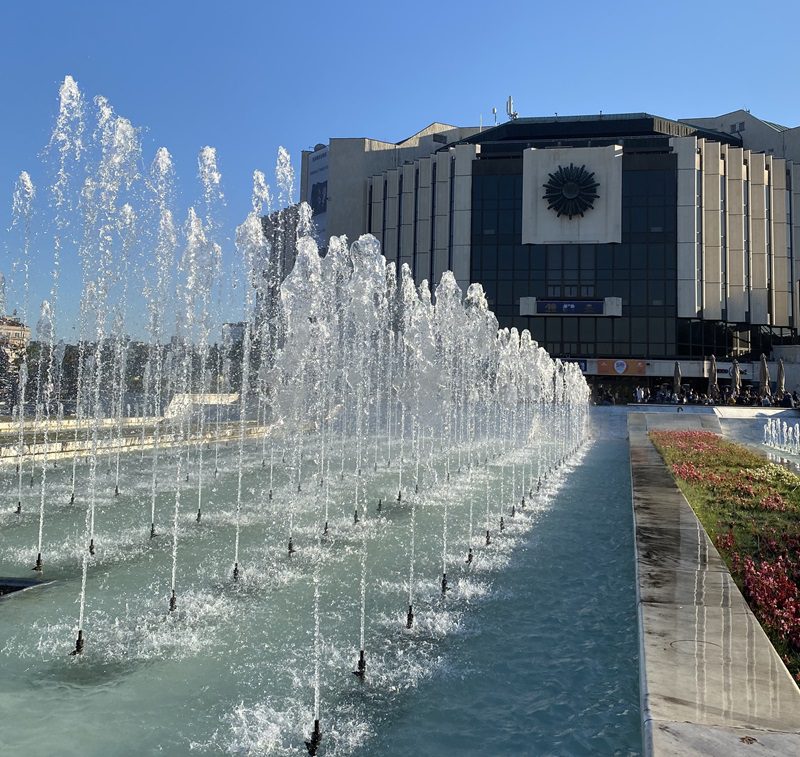
Sofia is Bulgaria’s capital and largest city, blending Soviet-era architecture with Orthodox and Byzantine churches, Roman ruins, and a growing food scene. It’s where nearly 25% of Bulgaria’s population lives and works and is quickly becoming a rival of many other large European cities. It’s walkable, affordable, and has the best concentration of restaurants in the country.
Sofia Restaurants
Moma Bulgarian Food and Wine
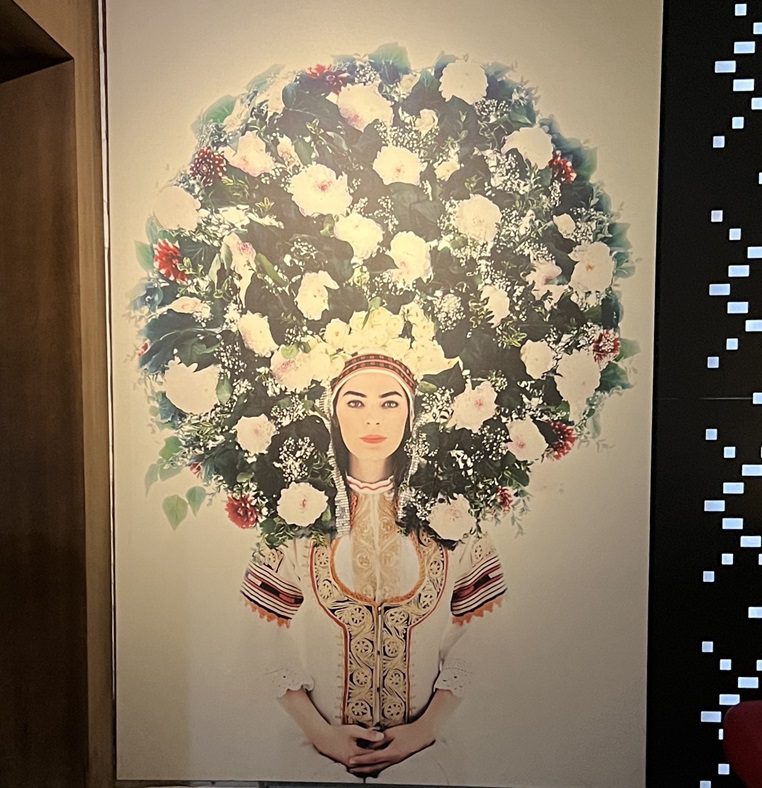
Definitely one of the more refined restaurants you’ll experience in Bulgaria, without losing the traditional and authentic style of Bulgarian food. “Moma” means woman in Bulgarian. The interior is warm and elegant, with hand-painted ceramics and embroidered linens creating a folkloric but tasteful setting. The menu focuses on traditional Bulgarian dishes prepared with care and quality ingredients. The mixed dip platter is an excellent way to start—you’ll get lutenitsa, kyopolou (eggplant and garlic), and other spreads served with warm bread.
Must try: Bread with sharena salt and shopska salad. Everything is delicious, but these two items showcase Bulgarian cuisine at its simplest and best.
Shtastlivetsa Restaurant
A neighborhood favorite with a relaxed, welcoming vibe. The menu is traditional Bulgarian with generous portions and reasonable prices.
The grilled meats here are excellent—perfectly charred on the outside, juicy on the inside, and seasoned with just the right amount of cumin. The fries with feta cheese are crispy, salty, and addictive.
Must try: Kebapche and fries with feta. This is straightforward Bulgarian comfort food done right.
Cosmos Restaurant / Космос
Cosmos is modern Bulgarian cuisine with a cosmic twist—literally. The interior is striking, with rustic elements like exposed brick and polished concrete mixed with swirling crystal orbs that look like miniature galaxies.
Chef Vladislav Penov creates dishes inspired by Thracian recipes and traditional Bulgarian flavors, but presented in unexpected ways. The tasting menu is worth it if you want to experience creative Bulgarian cooking.
The Rakia Mary cocktail is a must-try—it’s like a Bloody Mary but made with rakia instead of vodka, and it’s surprisingly balanced and delicious.
Must try: Tasting menu and Rakia Mary cocktail. This is the place to see what Bulgarian cuisine can be when it’s elevated and reimagined.
Secret Chef Petrov
This is less of a restaurant and more of a dinner show. Chef Petrov prepares a 23-course tasting menu in front of you while sharing stories from his travels and career.
It’s intimate (limited seating), theatrical, and unforgettable. The courses range from traditional Bulgarian dishes to international influences, all executed with precision and creativity.
The rose dessert—made with strawberry and rose sorbet, pink pepper, and edible flowers—is particularly memorable.
Must try: Tasting menu (it’s the only option), and the rose dessert is wonderful. Reservations are essential and should be made well in advance.
Hadjidraganov’s Cellars / Tavern
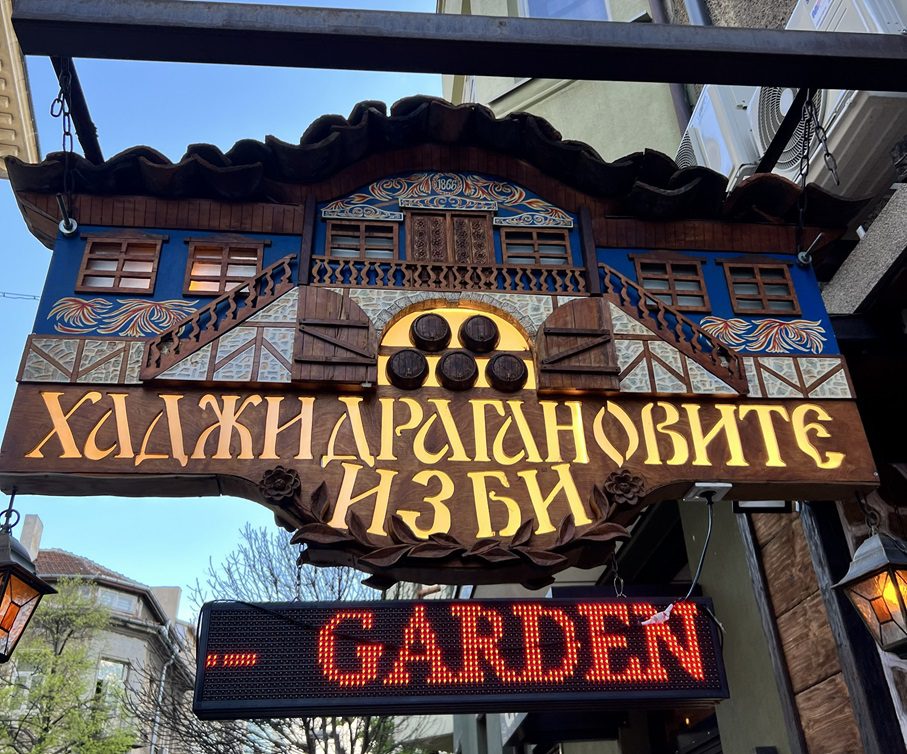
A traditional Bulgarian tavern set up like a wine cellar, with multiple rooms representing different regions of Bulgaria. The atmosphere is cozy and authentic, with rustic decor and a menu focused on grilled meats and traditional dishes.
The kebapche and kyufte here are excellent—smoky, juicy, and seasoned perfectly. The fries with feta are a perfect side.
Must try: Kebapche or kyufte and fries with feta. This is classic Bulgarian tavern food, and it’s exactly what you want after a day of sightseeing.
Plovdiv
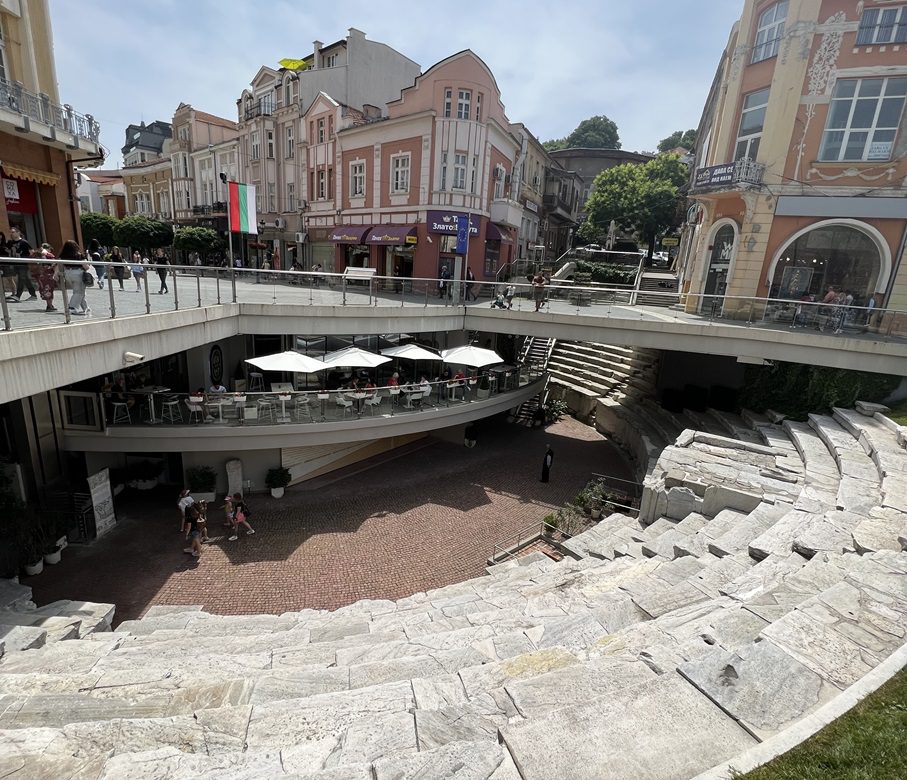
Plovdiv is Bulgaria’s second-largest city and one of the oldest continuously inhabited cities in Europe. The Old Town is a maze of cobblestone streets, colorful Revival-era houses, and Roman ruins. The Kapana district is the creative heart of the city, filled with cafes, galleries, and restaurants.
Plovdiv Restaurants
Pavaj
A local favorite in the Kapana district with a relaxed, welcoming atmosphere. The menu is a mix of Bulgarian and Mediterranean dishes, with an emphasis on fresh ingredients and creative preparations.
Must try: Pink tarator. It’s refreshing, beautiful, and delicious.
Smokini
A refined yet approachable restaurant in Plovdiv’s city center. The atmosphere is warm and thoughtfully designed, with polished wood, soft lighting, and a balance between modern elegance and rustic charm.
The menu focuses on traditional Bulgarian food with a modern twist. The brisket is slow-cooked, tender, and full of flavor.
Must try: Brisket. It’s comfort food elevated.
Varna
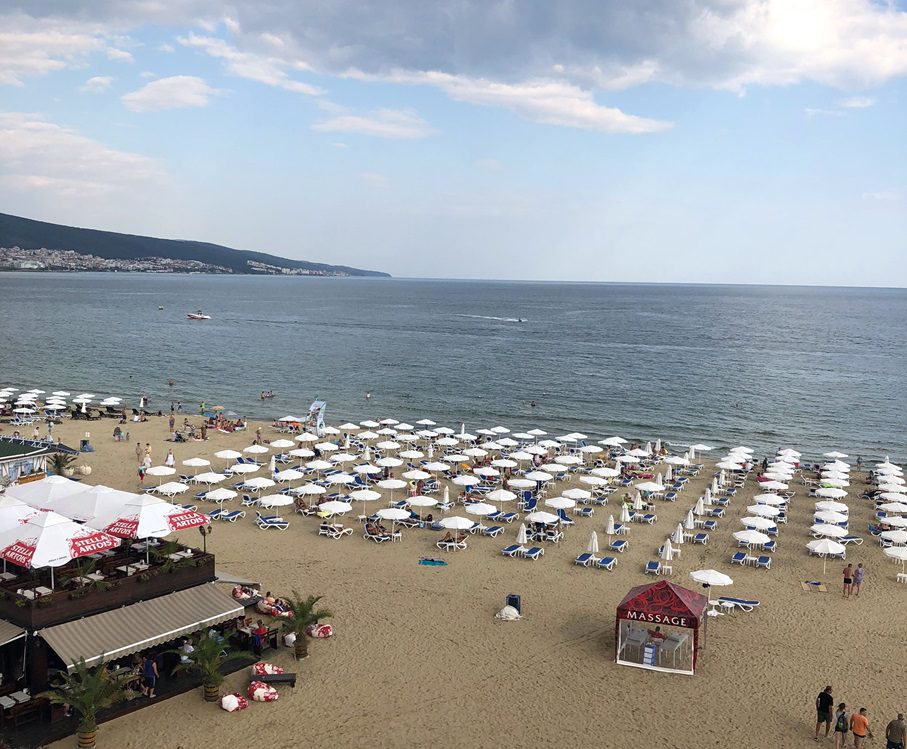
Varna is Bulgaria’s largest coastal city, located on the Black Sea. It’s a mix of beach resort, cultural hub, and working port. The Sea Garden is a beautiful park running along the coast, filled with cafes, restaurants, and attractions, perfect for walks after lunch and dinner. Varna is where you can adventure with seafood due to the coastal location.
Varna Restaurants
Marché Restaurant
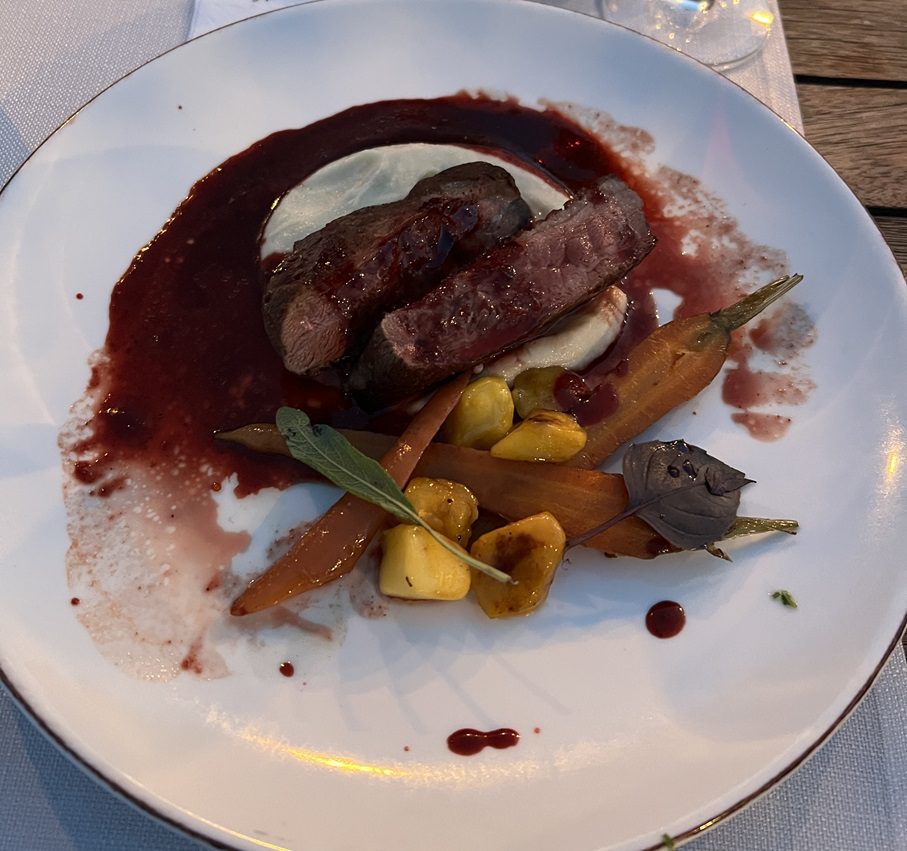
Located in the Sea Garden with beautiful views and a Mediterranean-inspired menu. The food is fresh, well-prepared, and creative. The quality here is high across the board—seafood, grilled meats, salads, and desserts are all excellent.
Must try: Everything is delicious here. Ask your server for the daily specials or seasonal recommendations.
Staria Chinar Restaurant (Port location)
A traditional Bulgarian restaurant located at the Port of Varna, offering sea views and a diverse menu at reasonable prices. The setting is lovely, especially for lunch or an early dinner when you can sit outside and watch the boats.
Mr Baba
Located on a replica of a XVI century galleon ship, Mr Baba is touristy but worth visiting for the unique setting. The food is good, the presentation is fun, and the experience is memorable.
Must try: Seafood dishes and the novelty of dining on a ship. Touristy, but worth a visit.
Best Day Trip from Sofia
If you’re staying in Sofia the entire time, consider taking a day trip to the Rila Monastery. This UNESCO World Heritage Site sits deep in the Rila Mountain, about two hours from the city, and it’s one of Bulgaria’s most important cultural landmarks. If you’re renting a car and exploring the country, this is an absolute must while in Bulgaria.
The drive to Rila is beautiful—winding mountain roads, pine forests, and traditional Bulgarian villages along the way. If you’re visiting in winter, the monastery is often surrounded by snow, which makes it even more dramatic. In summer, the mountains are green and the air is cool, a nice break from Sofia’s heat.
Budget about 8-9 hours for the full day trip, including travel time. Wear comfortable shoes—there’s a bit of walking, and the monastery grounds are uneven in places. Also, shoulders and knees must be covered to enter the church, so bring a scarf or long pants if you’re wearing shorts.
Driving in Bulgaria
Renting a car in Bulgaria is affordable and gives you the freedom to explore beyond the main cities. The roads connecting Sofia, Plovdiv, and Varna are well-maintained highways, though rural roads can be rougher.
Click here to find Car Rental deals in Bulgaria
What you need to know:
- Driver’s license: Your regular driver’s license is valid in Bulgaria if you’re from the EU. Non-EU visitors should have an International Driving Permit.
- Vignette: Bulgaria uses a vignette system for highway tolls. You need to purchase a vignette (available at border crossings, gas stations, and online) before driving on highways or you might get stopped by highway police, NOT to give you a ticket, but to charge you the toll.
- Driving conditions: Roads are generally good in cities and on major highways. Rural roads can be narrow and bumpy. Watch for potholes, especially after winter.
- Parking: Cities like Sofia and Plovdiv have paid parking zones (marked by blue lines). Use parking meters or mobile apps to pay. Parking in Old Town areas can be challenging—consider using a hotel garage or parking lot.
- Speed limits: 50 km/h in cities, 90 km/h on open roads, 140 km/h on highways. Speed cameras are common.
- Fuel: Gas stations are plentiful. Most accept credit cards, though smaller stations may be cash-only.
Renting a car:
Major car rental companies operate in Bulgaria, including at Sofia, Plovdiv, and Varna airports. Booking in advance is cheaper than renting on arrival.
Click here to book find Car Rental deals in Bulgaria
Recommended routes:
- Sofia to Plovdiv: 1.5-2 hours via A1/E80 highway. Straightforward drive.
- Plovdiv to Varna: 4-5 hours via A1 and A2 highways. Long but scenic, especially near the mountains.
- Sofia to Rila Monastery: 2 hours south of Sofia. Essential day trip if you have a car.
FAQ: Bulgaria Food Guide
Is Bulgarian food spicy?
No, Bulgarian food is not spicy in the sense of heat. The most common spices are cumin, paprika, and black pepper, which add flavor without much spiciness. Some dishes include roasted peppers or lyutenitsa, but these are mild and smoky rather than hot.
Is Bulgaria vegetarian-friendly?
Yes, though traditional Bulgarian cuisine is meat-heavy. There are SO many vegetarian options including shopska salad, banitsa (cheese pastry), tarator (cold yogurt soup), roasted peppers, lutenitsa, and various bean dishes like bob chorba. Many restaurants also offer grilled vegetables, cheese platters, and pasta.
How much should I budget for food in Bulgaria?
Bulgaria is very affordable compared to Western Europe. A meal at a mid-range restaurant costs €8-15 per person including drinks. Street food like banitsa costs €1-3. A nice dinner with wine at a higher-end restaurant runs €20-30 per person.
Do I need to tip in Bulgaria?
Tipping is appreciated but not mandatory. Locals typically round up the bill or leave 5-10% for good service. Tourists often tip 10% at restaurants. Tipping is not expected at cafes or for takeout.
What’s the best time to visit Bulgaria for food?
Summer (June-August) is peak season, especially in coastal areas like Varna. Spring (April-May) and fall (September-October) offer pleasant weather, fewer crowds, and seasonal dishes like fresh salads, roasted peppers, and grape harvest-related foods. Winter is great for hearty soups, stews, and warming dishes.
Can I drink tap water in Bulgaria?
Yes, tap water is safe to drink in major cities like Sofia, Plovdiv, and Varna. In rural areas, bottled water is recommended. Most restaurants serve bottled water, though you can request tap water if preferred.
What should I try if I only have one meal in Bulgaria?
Order meshana skara (mixed grill) with shopska salad, bread with sharena salt, and a glass of rakia. This gives you a complete taste of Bulgarian cuisine in one meal.
Are restaurants open on Sundays in Bulgaria?
Most restaurants are open seven days a week, though some smaller family-run places may close on Sundays or Mondays. It’s always a good idea to check ahead, especially outside of major tourist areas.
Is it easy to find English menus in Bulgaria?
In Sofia, Plovdiv, and Varna, most restaurants catering to tourists have English menus. Smaller, local places may only have Bulgarian menus, but staff often speak enough English to help. Google Translate works well for menu translation if needed.
What’s the deal with Bulgarian yogurt?
Bulgarian yogurt is made with a specific bacterial strain (Lactobacillus bulgaricus) that’s unique to Bulgaria. It’s thicker, creamier, and tangier than most yogurts, and Bulgarians are rightfully proud of it. Try it plain, in soups like tarator, or with honey for breakfast.
Plan Your European Food Adventure
Bulgaria is incredibly affordable and authentic and a flight from Sofia to Rome is less than 2 hours so you can combine the two on your next Europe trip! You’ll want to check out my complete Italian food guides. My Rome Food Guide takes you to the best restaurants for carbonara, cacio e pepe, and traditional Roman dishes—places where locals actually eat, not tourist traps. The Naples Food Guide covers the city’s legendary pizza scene plus pasta, seafood, and Southern Italian specialties you won’t find anywhere else.
Traveling in summer? My Summer Vacation Packing List will help you pack smart for European weather without overpacking.