Norway Food Guide 2026: 20+ Traditional Dishes to Try (+ Where to Eat)
This post contains affiliate links. If you book through these links, we may earn a small commission at no extra cost to you. This helps us keep creating free travel guides! Read our full Affiliate Disclosure.
Norway features beautiful coastlines so it should be no surprise that you will find a lot of fish on the menu. Back in the day, dried cod was the number one export coming out of Norway! Nowadays they export a lot more fresh cod and salmon. Norway is the second largest exporter of fish in the world! All that being said if you don’t eat seafood, there’s plenty of red meat such as lamb, beef, and even reindeer!
If you love food-focused travel like we do, check out our other guides including Ultimate Amalfi Coast Food Guide, Rome Food Guide, and Florence Food Guide
Breakfast is very typical for European countries featuring cheese and cured meats along with smoked salmon and granola with yogurt. Most Norwegians do not eat a heavy breakfast because lunch is early some time around 11am. For lunch, Norwegians enjoy matpakke which are open faced sandwiches topped with a variety of options like salmon or brunost (brown cheese). Dinner is very early in Norway typically between 4pm and 5pm and usually consists of some kind of stewed meat to help you warm up after a cold day out. Below are popular dishes you should consider trying while in Norway.
📌 Pin this guide for later! Save our complete Norway food guide to your Pinterest boards.
When to Visit Norway for the Best Food
The best time to visit Norway for food depends on what you want to experience:
**Summer (June-August)** offers the freshest seafood, abundant berries, and outdoor dining along Norway’s stunning coastlines. This is peak season for salmon, strawberries, and cloudberries, plus many food festivals take place during these months.
**Fall (September-October)** is when you’ll find traditional hearty dishes like fårikål (lamb stew) at their best, as this is the season Norwegians traditionally prepare these warming meals. The autumn harvest also brings game meats like reindeer into season.
**Winter (November-February)** is magical for experiencing Christmas traditions like gingerbread cookies with blue cheese, warm glogg at Christmas markets, and cozy dining with dishes like pinnekjøtt. While it’s cold and dark, the food culture is incredibly rich during this season.
**Spring (March-May)** is the quietest time but offers good value and you’ll still find excellent seafood and traditional dishes without the summer crowds. Budget-conscious travelers will appreciate lower restaurant prices during this shoulder season.
What Makes Norwegian Food Unique?
Norwegian cuisine is shaped by the country’s dramatic coastlines and harsh winters. Centuries of preserving food through smoking, curing, and drying have created distinctive flavors you won’t find elsewhere—from smoked salmon to dried cod.
The food reflects a deep connection to nature. Norwegians forage wild berries, hunt reindeer, and fish pristine Arctic waters that produce some of the world’s finest seafood. Preparations are simple and let high-quality ingredients shine.
What surprised us the most when we visited were the unexpected flavor combinations: gingerbread cookies with blue cheese, caramelized brown cheese, and cardamom-spiced waffles eaten all day long. Norwegian food embraces contrasts between sweet and savory, creating a cuisine that’s both comforting and adventurous.
Norwegian Snacks and Appetizers You Must Try!
Brunost (Brown Cheese)
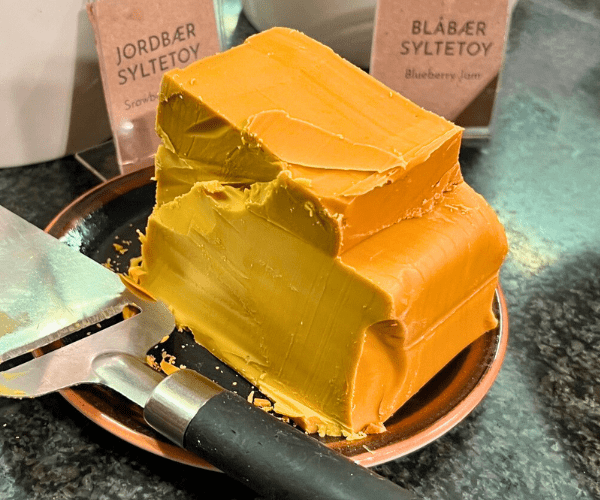
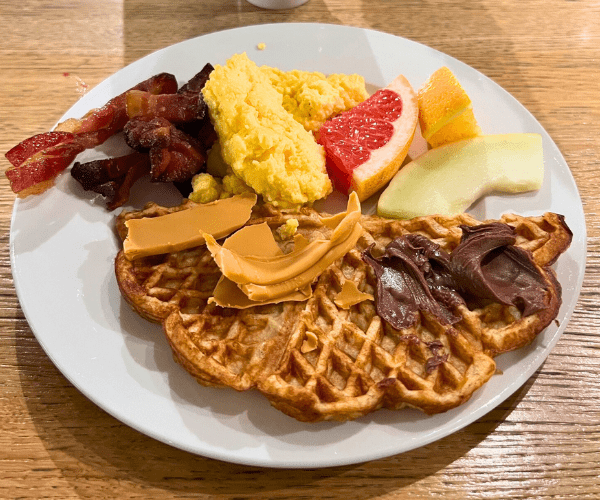
Brunost is a brown cheese that, let’s be honest.. isn’t really cheese BUT is probably the most interesting and fun food to try when you are in Norway. Brunost is made by boiling whey, milk, and cream and gets its notable brown color when the milk sugars begin to caramelize. It has a firm fudge-like texture, but needs to be cut with a sharp knife or cheese cutter. It has a lovely savory and sweet flavor (think salted caramel) but I wouldn’t recommend trying it alone for the first time because of its heaviness. Instead, take a thin slice of brunost and try it with waffles (vafler), crackers, or a slice of bread.
Vafler (Waffles)
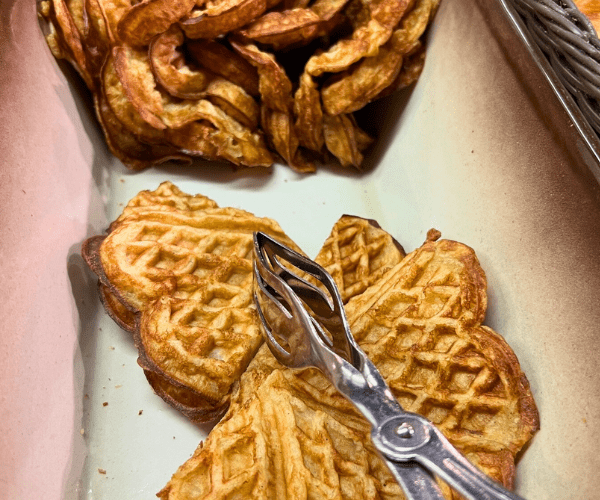
Vafler are heart shaped waffles and you will see them EVERYWHERE and are eaten all day with either sweet or savory toppings. What makes them special is they are spiced with cardamom which is one of my favorite flavors because it just feels warm and cozy. You will see everything is heart shaped in Norway especially the lights on people’s homes in the winter – making an already charming country even more magical.
Bær (Berries)
Berries are very popular in Norway especially strawberries, blueberries, gooseberries, lingonberries, and the rare and expensive cloudberries. Berries are often made into jam or compote and served alongside desserts.
Lefse (Flatbread)
Lefse is a flatbread that lands somewhere between a tortilla and roti, as it can be filled with brunost or potato.
Pepperkaker and Blue Cheese (Gingerbread Cookies and Blue Cheese)
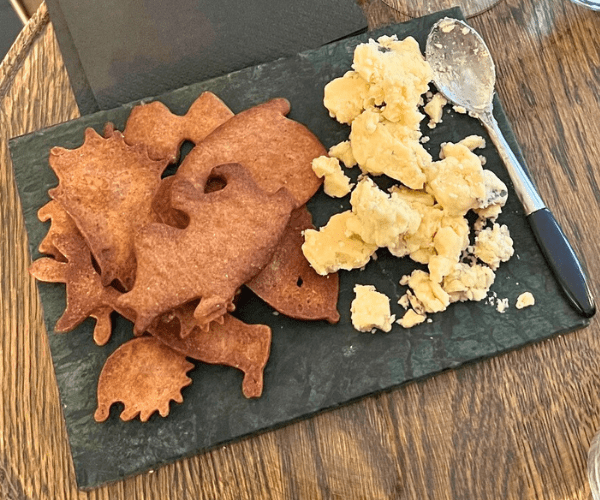
Yes you read that right, gingerbread cookies topped with blue cheese are a very popular snack. We ordered it in a wine bar alongside our sparkling wine which was delightful. I highly recommend you try it as it was our favorite food discovery of the trip!
Traditional Norwegian Meat Dishes
Fårikål (Lamb)
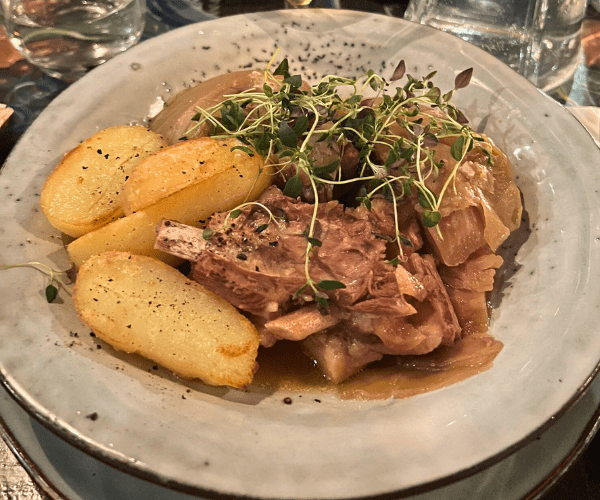
Fårikål is a hearty casserole of lamb, cabbage, and potatoes which is perfect on a cold winter day. It is widely considered the National Dish of Norway and is popular to make for friends and family.
Pinnekjøtt (Lamb)
Pinnekjøtt is rack of lamb that has been smoked, cured, and then steamed creating an extremely tender dish that falls off the bone. It is traditionally served with pureed rutabaga and potatoes.
Places to Try: Art Cafe Bistro in Tromso, Norway (reservations highly encouraged as this place is very small and food is excellent)
Kjøttboller of Kjøttkaker (Norwegian Meatballs)
Norwegian meatballs known as Kjøttboller are extremely similar to the more famous Swedish meatballs. They are a mix of ground beef and pork seasoned with nutmeg, allspice, and nutmeg that have been pan fried and then served with a brown sauce, cabbage in cream sauce, lingonberry jam, and potatoes.
Finnbiff (Reindeer Soup!)
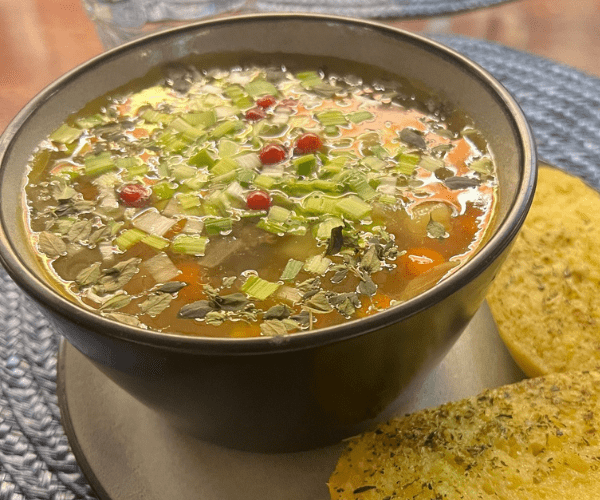
I know it sounds weird to eat reindeer to some but think of it like eating deer meat. Finnbiff is a soup prepared by browning thin cuts of reindeer meat in a pan with bacon and mushrooms and then a broth of herbs, brunost, sour cream, and milk is added.
Bidos is a reindeer stew made by the Sami people. It doesn’t have the creaminess from the dairy in finnbiff but is more of a broth with vegetables like onion, carrots, and potatoes. We had this on our Reindeer Experience where we were able to feed the reindeer and learn more about the Sami culture which was a great experience.
Pølser (Hot Dogs)
Pølser are Norwegin hot dogs and can be found everywhere and are a popular fast food. We noticed a lot of 7/11 convenience stores which of course have them. They also served them at stands in the Christmas markets in Oslo.
Norwegian Seafood Specialties (Norway’s Most Famous Foods)
Salmon
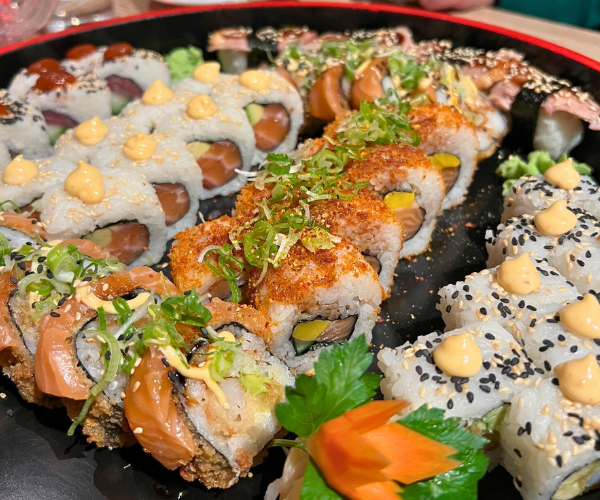
Salmon is the king of food in Norway and you can find it smoked, cured, grilled, or canned. Smoked salmon is probably Norway’s biggest culinary claim to fame around the world. It is simple and delicious, normally served on rye bread. Gravlaks is cured salmon served typically with mustard and dill sauce on bread and makes a great appetizer or breakfast. Another option is to try salmon in sushi which may not be traditional, but Norway did introduce the use of salmon in sushi to Japan in the 1970s.
Fiskeboller of Fiskekaker (Fish Balls or Cakes)
Think of them like meatballs made with fish served in a cream sauce usually with vegetables on the side or in soups. They can be a little lacking in flavor so if you can find one with curry seasoning, I think they are a little better.
Places to Try: Art Cafe Bistro in Tromso, Norway (reservations highly encouraged as this place is very small and food is excellent)
Rørkaviar (Tubed Caviar)
Tubed caviar can be found in markets and is just unique and interesting. If you like caviar, consider buying some as a souvenir to enjoy at home.
Traditional Norwegian Desserts and Sweets
Eplepai
Eplepai is a delicious apple cake that they call a pie but it is made by stirring apple slices into a cake batter. You may see them topped with nuts like walnut or almond slivers and served with a side of ice cream.
Bolle
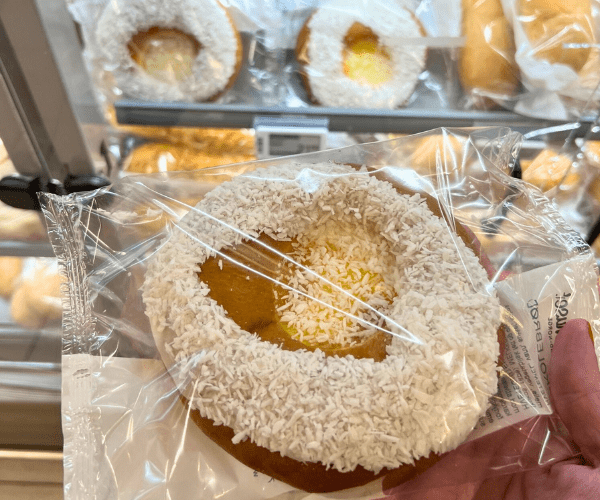
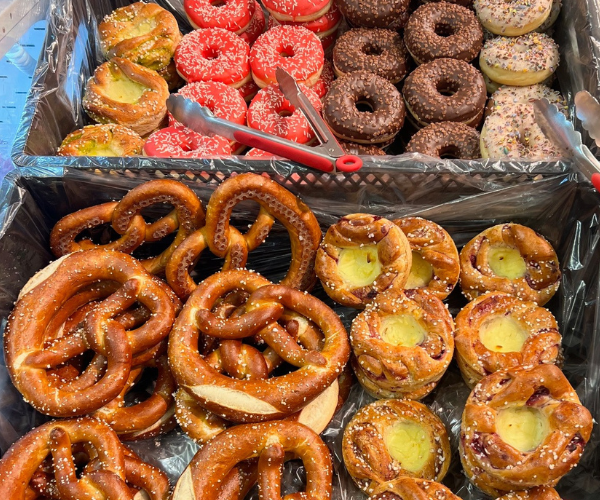
Bolle are sweet rolls made from yeasted dough seasoned with cinnamon or cardamon and filled with things like, jam, raisins, or chocolate. Skolebolle are a popular sweet roll filled with custard and topped with coconut shavings. Kanelboller are Norweigan cinnamon rolls are my personal favorite.
Places to try: Almost any grocery store or Bakery Nostalgia in Senja, Norway
Krumkake
Krumkake are waffle cookies that are rolled into a cone and filled with things like whipped cream and jam. They are especially popular around the holiday so keep an eye out at Christmas markets.
Sweets
Freia is a popular brand of chocolates you will see everywhere. Kvikk Lunsj are chocolate wafers similar to KitKat bars but taste even better. I brought them home for everyone as a souvenir. Candy on Saturdays is actually a tradition so use it as an excuse to try different things!
Nugatti is the Norwegian version of Nutella but has a thicker texture and a stronger hazelnut taste.
Where to Try Traditional Norwegian Food
Based on our travels and research, here are the best spots to experience authentic Norwegian cuisine:
Tromsø Art Cafe Bistro – This small, excellent restaurant serves outstanding pinnekjøtt (smoked lamb) and fiskeboller (fish balls). Reservations are highly encouraged as it fills up quickly. Also consider booking a Reindeer Experience for a wild sledding adventure with these beautiful animals.
Oslo Christmas markets throughout the city offer pølser (Norwegian hot dogs), glogg (mulled wine), and traditional sweets. 7/11 convenience stores are surprisingly reliable for grabbing quick pølser and trying local snacks.
Senja Bakery Nostalgia – Perfect for kanelboller (cinnamon rolls) and other traditional bolle (sweet rolls). Any local grocery store bakery section also carries excellent fresh-baked options.
Anywhere in Norway Don’t overlook grocery stores for authentic experiences. You’ll find brunost, rørkaviar (tubed caviar), Freia chocolates, and fresh-baked goods at great prices. Local markets are ideal for trying Norwegian specialties without the restaurant markup.
Norwegian Drinks: From Akevitt to Glogg
Akevitt
Akevitt is a distilled liquor similar to vodka made from potatoes and grain. It has been produced since the 1500s and while Norweigans sip it straight, you might enjoy it best in a cocktail.
Solo
Solo is an orange soda similar to Sunkist or Fanta that is extremely popular in Norway.
Glogg
Glogg is a lovely warm mulled wine with spices and citrus that is wonderful to enjoy while wandering a Christmas market or just to warm up on a cold day. This is my personal favorite.
Top 3 Experiences in Norway
Beyond the food, Northern Norway offers unforgettable Arctic adventures. Below are my top three MUST DOs if you have the chance to go up to Tromsø.
Tromsø Whale Watching
November through January, orcas and humpback whales follow herring into the fjords around Tromsø. You’ll head out with guides who know where to find them. One of the few places to see orcas in the world. Dress warm—it’s the Arctic.
Book Tromsø Whale Watching on GetYourGuide
Northern Lights Cruise with Hot Tub and Dinner
This one was worth the splurge especially because we split it between multiple people. Chase the aurora from a boat equipped with a hot tub and onboard dinner. You’ll sail into dark waters away from light pollution, soak in the warmth, and watch the sky. Expensive, but unforgettable.
Book Northern Lights Cruise on GetYourGuide
Reindeer Sledding with Sami Guide
Meet a Sami guide, learn about reindeer herding, feed the herd, and take a sled ride through the snow. This is the reindeer experience from my Instagram—authentic, beautiful, and educational.
Book Reindeer Sledding on GetYourGuide
Planning Your Norway Food Trip
Budget Smart, Eat Well Norway is expensive—expect $30-50 per restaurant meal. Beat the costs by hitting grocery stores for brunost, smoked salmon, and fresh bakery items, then splurge on one memorable dinner experience. Lunch specials offer better value than dinner.
Timing Matters Book reservations at popular spots like Art Cafe Bistro days in advance. Christmas markets (November-December) are perfect for sampling multiple dishes without committing to full meals. Most restaurants close early—Norwegians eat dinner between 4-5pm, so plan accordingly.
Adventure Beyond the Menu The best Norwegian experiences happen off the beaten path: a reindeer sledding tour, a fishing village where locals smoke their own salmon, a bakery tucked down a side street in Bergen. Follow your nose, ask locals for recommendations, and don’t be afraid to try the unique — gingerbread with blue cheese might just become your new obsession.
Pack Light on Expectations, Heavy on Curiosity Norwegian food isn’t about Michelin stars and elaborate presentations. It’s about honest flavors, quality ingredients, and centuries-old traditions. Come hungry, come curious, and prepare to fall in love with a cuisine most travelers overlook.
Exploring Norway’s Food Scene by Car
Norway is MADE for road trips – and the food experiences get better the further you venture from cities. Coastal villages, fjord-side restaurants, and mountain lodges serve incredible seafood and traditional Norwegian dishes you won’t find in Oslo.
Why rent a car in Norway:
- Access remote seafood restaurants in fishing villages
- Stop at roadside farm stands for local cheese and produce
- Visit coastal towns famous for fresh fish markets
- Explore fjord regions with traditional mountain lodges
- Freedom to stop at scenic viewpoints for picnics
Epic Norway food road trips:
- Bergen to Stavanger – Coastal route with seafood stops
- Oslo to Bergen – Mountains, fjords, and farm-to-table restaurants
- Lofoten Islands – Arctic seafood and fishing village cafés
- Tromsø region – Reindeer farms and Arctic char fishing
Driving in Norway:
- Excellent road conditions (even in remote areas)
- Stunning scenic routes (food + views!)
- Gas is expensive ($8-10/gallon) but worth it
- Tolls on some roads (automatic payment)
- Winter driving requires experience (Nov-March)
What to rent:
- Economy car – Fine for summer, main roads
- AWD/4WD – Essential for winter or mountain driving
- Consider campervan for multi-day food road trips
Compare Norway car rental prices – Book your rental for Norwegian food adventures
Foodie road trip tip: Pack a cooler to bring home smoked salmon, brown cheese, and local specialties from farms and markets!
Where to Stay and Best Cities in Norway
Oslo – Norway’s capital with the best concentration of restaurants, food halls, and innovative Nordic cuisine. Perfect base for experiencing modern Norwegian food culture.
Bergen – Coastal city famous for the Fish Market (Fisketorget) and fresh seafood. Essential for experiencing Norway’s fishing heritage and seafood cuisine.
Browse Bergen waterfront hotels
Tromsø – Arctic city for unique northern Norwegian cuisine, reindeer dishes, and Arctic char. Great for combining Northern Lights with local food experiences.
Stavanger – Foodie city with excellent restaurants and proximity to fjord regions. Good for combining nature and dining experiences.
Frequently Asked Questions About Norwegian Food
What is the most popular food in Norway? Salmon is most famous in Norway, followed by Brunost (brown cheese) and the national dish fårikål (lamb stew).
Is Norwegian food expensive? Yes, Norway is one of the most expensive countries for dining out. Expect to pay $30-50 per person for a casual meal. Save money by shopping at grocery stores or eating lunch specials.
What is a traditional Norwegian breakfast? Traditional Norwegian breakfast includes smoked salmon, cheese, cured meats, rye bread, granola with yogurt, and brunost on crackers or waffles.
What is brunost and what does it taste like? Brunost (brown cheese) is made from caramelized whey and has a sweet, savory flavor similar to salted caramel. It has a firm, fudge-like texture.
Can you eat reindeer in Norway? Yes, reindeer is commonly eaten in Norway, especially in dishes like finnbiff (reindeer soup) and bidos (reindeer stew). It’s considered similar to venison.
Looking for more European food adventures? Explore our complete Italy food guides or see our travel tips for planning your next trip.