Rome Food Guide 2026: 15+ Must-Try Dishes & Where to Eat Them
This post contains affiliate links. If you book through these links, we may earn a small commission at no extra cost to you. This helps us keep creating free travel guides! Read our full Affiliate Disclosure.
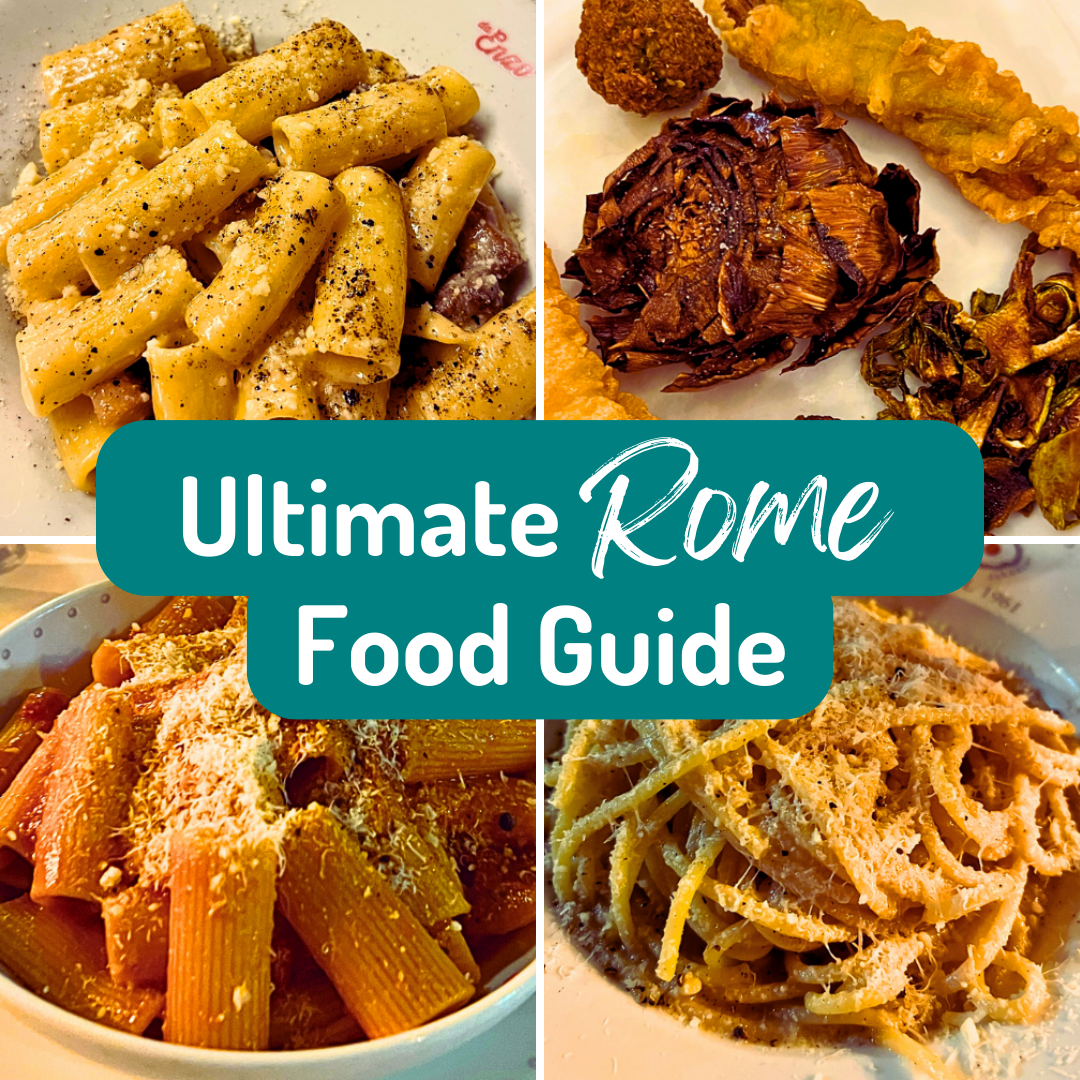
Rome’s culinary scene is a delightful fusion of tradition and innovation, reflective of the city’s rich history and vibrant culture. Rome is renowned for its iconic four pastas Carbonara, Cacio e Pepe, L’amatriciana, and Gricia.
We’ve visited Rome twice—first staying in Centro Storico for convenience, then Trastevere for the authentic food scene (our favorite!). This guide covers everything we ate and where we stayed.
📌 Save This Guide for Later!
Planning a trip to Rome? Pin this guide to your travel boards so you can find it when you’re ready to book — cacio e pepe, supplì, and the best trattorias in the city.
📌 Pin this guide →When to Visit Rome for the Best Food Experience
The best time to visit Rome for food depends on what you’re after. Spring (April-June) and fall (September-October) offer ideal weather for dining on outdoor terraces and exploring the city’s neighborhoods on foot between meals. The mild temperatures make it perfect for enjoying multiple food stops throughout the day.
Winter (November-March) can be cooler and rainier therefore brings heartier Roman dishes like saltimbocca and pasta alla gricia to the forefront. Restaurant prices are lower, reservations are easier to get, and you’ll experience Roman food culture without the tourist crowds. This is when locals truly dominate the dining scene.
Summer (July-August) can get very hot, and many top restaurants close for vacation in August. However, gelato season is in full swing, outdoor dining coupled with a refreshing cold Aperol Spritz is magical, and the extended daylight hours mean more time to explore Rome’s food markets.
Avoid peak tourist season (June-August) for the best restaurant experiences and prices. Shoulder seasons give you the perfect balance of good weather and authentic local dining.
What Makes Roman Food Unique?
Roman cuisine is radically simple – the city’s four iconic pastas use just a handful of ingredients: pasta, pecorino romano cheese, guanciale (cured pork cheek), black pepper, and sometimes tomatoes or eggs. This simplicity demands perfection. Romans source specific producers for their pecorino and guanciale, and debate proper pasta shapes with the passion others reserve for sports.
The Jewish quarter adds another dimension with dishes like carciofi alla giudia (Jewish-style fried artichokes), reflecting Rome’s 2,000-year-old Jewish community. You won’t find these Roman-Jewish flavors anywhere else in Italy.
Unlike northern Italian cuisine with its butter and cream, Roman cooking relies on olive oil, pecorino, and guanciale. It’s bold, salty, and unapologetically simple – when you only have four ingredients, every single one has to be perfect.
Rome’s Famous Four Pastas (What to Try & Where)
Pasta alla Gricia
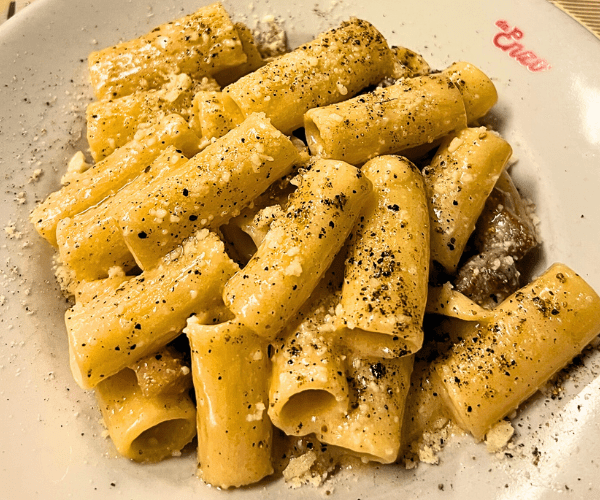
Pasta, typically bucatini or a tube pasta like rigatoni, made with a simple olive oil sauce with savory guanciale, which is cured pork cheek similar to bacon cut in small cubes, topped with sharp pecorino cheese. I think of it as a mixture of carbonara and cacio e pepe making it my favorite of the 4 Roman pastas.
Cacio e Pepe
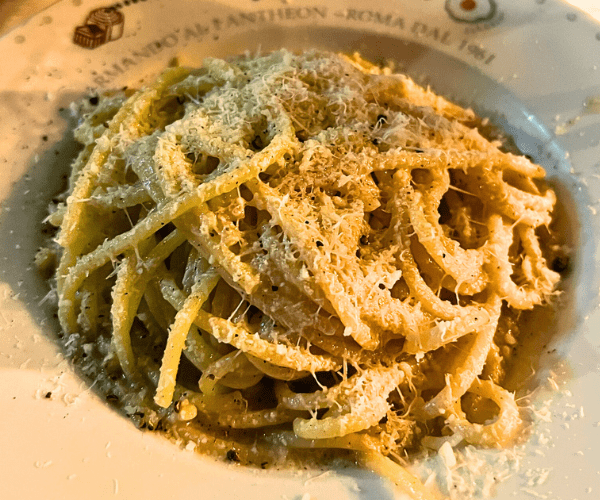
Spaghetti or bucaniti pasta topped with a rich olive oil sauce with a pepper kick balanced with the sharpness of pecorino. Simple, classic, and delicious! It lets the quality ingredients shine.
Pasta all’Amatriciana
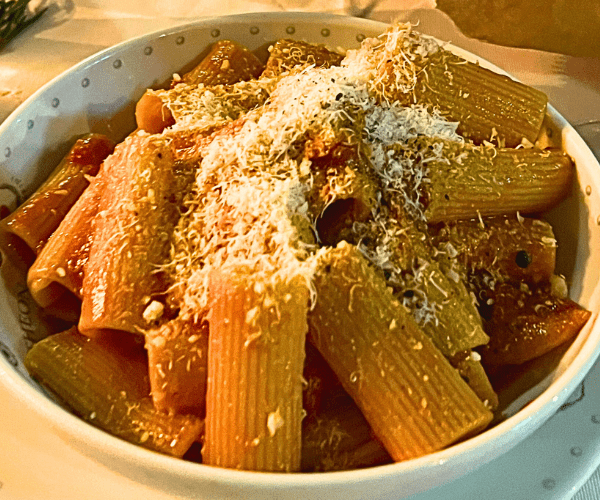
The only of the 4 pastas with a spiced tomato based sauce made with bucatini pasta and guanciale topped of course with pecorino. The acid of the tomatoes balances well with the salty fat of the pork making it a must try.
Carbonara
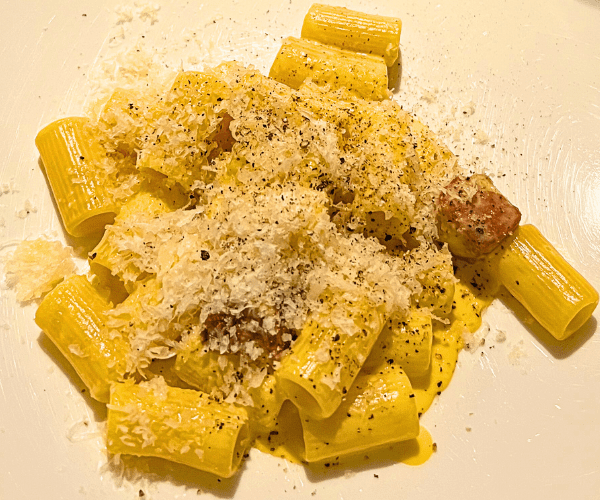
Similar to cacio pepe, it’s spaghetti pasta but with the added richness of egg yolks and guanciale.
Places to try: Trattoria da Enzo, Antica Pesa, Mastrociccia – Osteria Bistrot, Mimi e Coco, Cybo, Armando al Pantheon, Ai Tre Scalini
Roman Street Food: Supplì and Gelato
Suppli
Suppli is what you may know as arrancini which is a rice ball mixed with a tomato sauce, mozzarella, and meat and fried in an egg and bread crumb batter to perfection.
Places to try: Supplì Roma, Borghiciana Pastificio Artigianale
Gelato
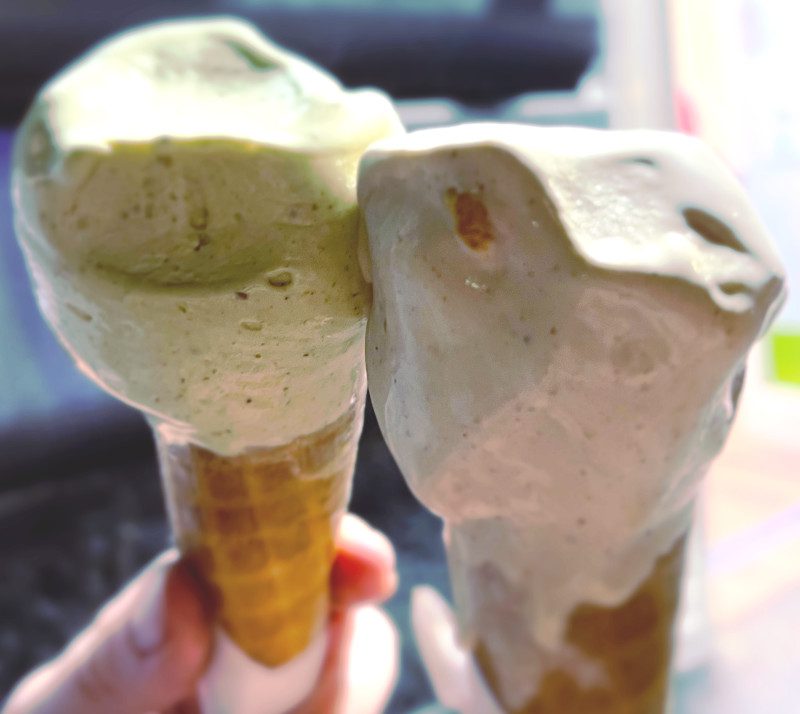
With its slow churn process at a higher temperature, gelato has a more intense flavor and denser texture than ice cream. My favorite flavor is the nocciola which is a light hazelnut and cream flavor similar to but not as overpowering as Nutella. I also love pistachio and for those who want to feel like a kid again try Stracciatella which is a fancy name for vanilla with chocolate chip shavings.
Places to try: Il Gelato di San Crispino, Verde Pistacchio, Gelato g Italiano, Flor Gelato
Traditional Roman Dishes Beyond Pasta
Carciofi alla Giudia
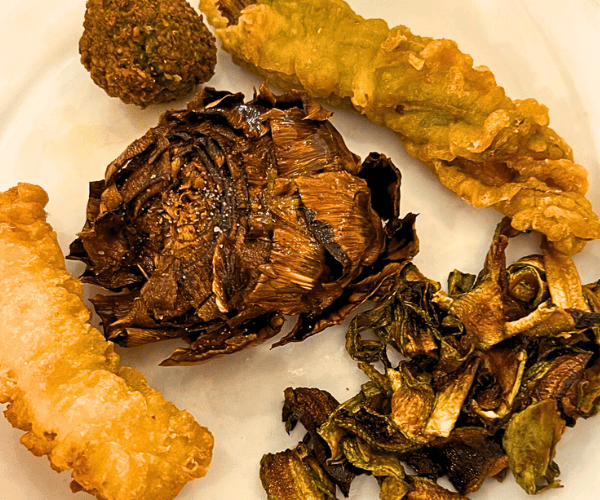
Carciofi alla Giudia are artichokes double fried in olive oil and topped with salt that can be found in the Jewish quarter in Rome. They make an excellent starter for your meal and a good way to get in some vegetables before pasta which is always my go-to in Rome.
Places to try: Nonna Betta, Sora Margherita
Saltimbocca
Saltimbocca translates in English to “jumps in your mouth” so who wouldn’t want to try that? Veal gets layered with prosciutto and fresh sage leaves then rolled and fried in butter and white wine. If you are tired of pasta or maybe your body is just craving some protein, Saltimbocca alla Romana is for you.
Places to try: Cybo, Saltimbocca Ristorante
Maritozzi
Maritozzi is a leavened bread dough baked and filled with an obscene amount of whipped cream.
Places to try: Regoli Pasticceria, Maritozzo Rosso, Bar San Calisto (from Stanley Tucci’s show)
Our Rome Experiences
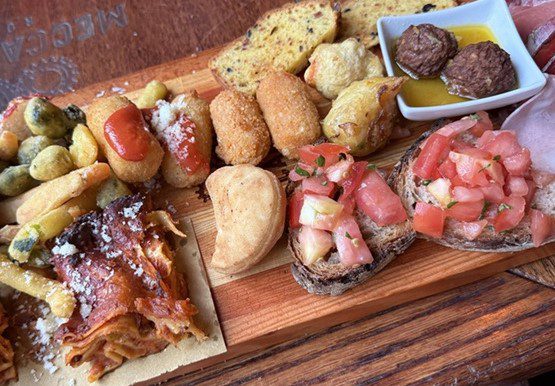
Trastevere Food Tour
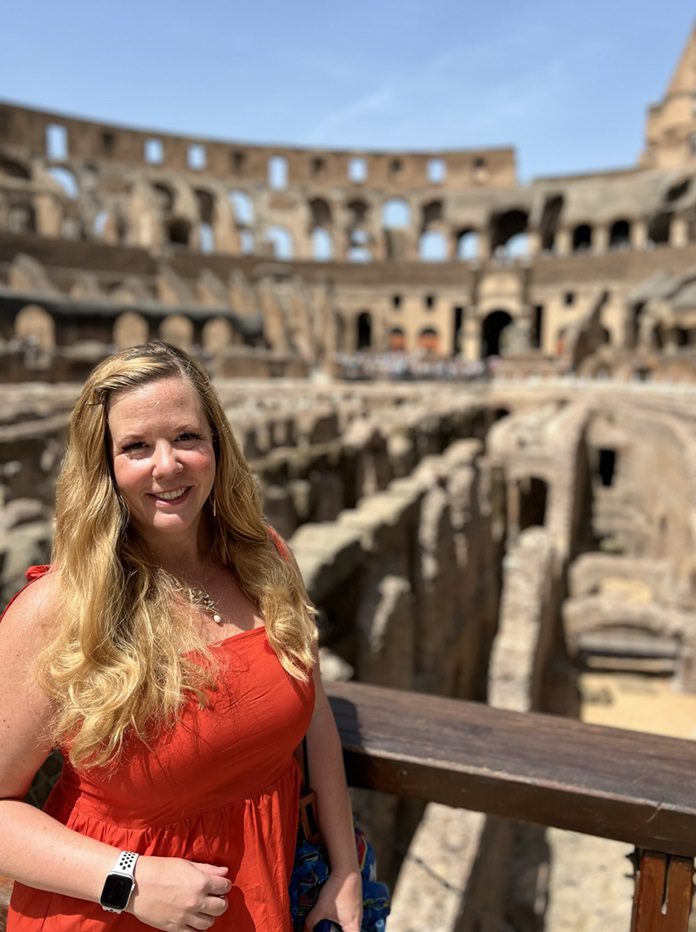
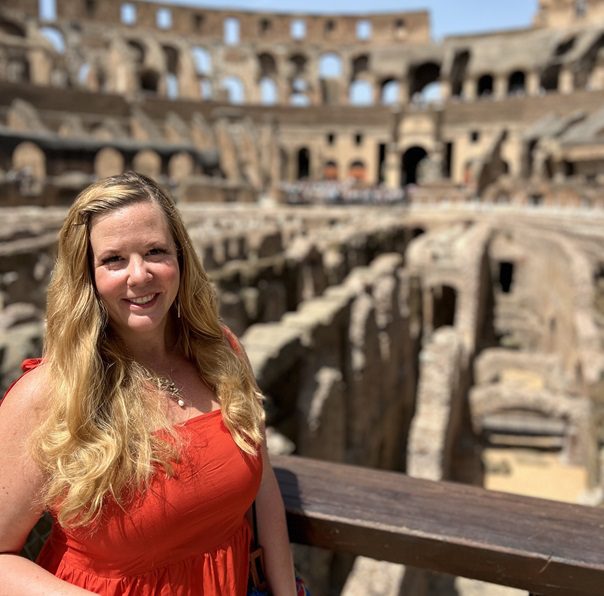
Colosseum Full Tour including Underground & Arena Access
Roman Drinks: Spritz, Coffee & Wine
Spritz
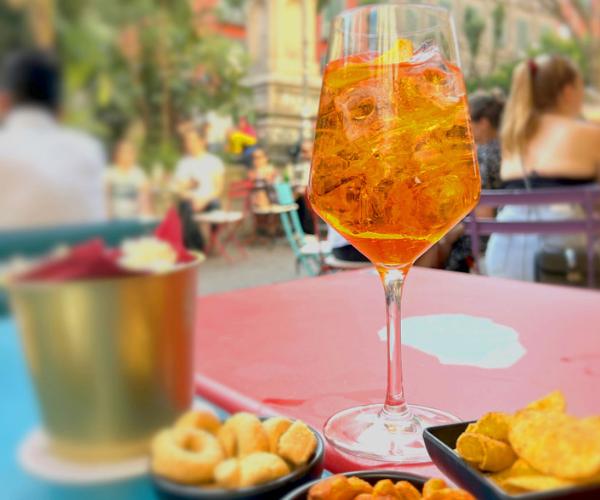
You will see spritzes on the menu EVERYWHERE. The most common is an Aperol spritz made of Aperol, Prosecco, and a splash of sparkling water. Aperol has a bitter and sweet taste with flavors of orange, rhubarb, and herbs. It is not for everyone but worth a try. If you want something a little sweeter try the lemon spritz made with limoncello or a peach bellini.
Coffee
Espresso is serious business in all of Italy and you can see it everywhere. Most people start their day with an espresso that is rich and thick. I preferred a cappuccino along with my breakfast, as tradition has it in Italy – no cappuccinos after noon. If you want something more along the lines of dessert, try a nocciola which is espresso with hazelnut cream. Also, the price to enjoy your coffee standing at the bar is a fraction of what you will pay to sit at a table with service so take your pick.
Places to try: La Casa del Caffè Tazza d’Oro, Sant’ Eustachio il Caffè
Wine
One of my favorite things about traveling is trying the regional wine. When in Rome look for wine from the Lazio region which should be on the label. The majority of grapes grown in the region are white but you will be able to try wines from any region in such a large city.
For a zesty white that tastes of peach and citrus with slight minerality from the nearby volcanic soil try a Trebbiano with fried artichokes and pasta alla carbonara. Bellone is a rare and forgotten white wine grape from the region which has tasting notes of pear and spices. If you can find it, try it! One of my favorite easy drinking wines is Grechetto which is a dry white wine with lovely light minerality with tasting notes of strawberry, peach, and melon.
As for red wine, if you like Pinot Noir try a Cesanese which is a lovely tannic red with tasting notes of strawberry, pomegranate, and plum that go wonderful with saltimbocca and other meat. Super Lazio wines are a red blends using cabernet sauvignon, merlot, syrah, and sangiovese which is reminiscent of Bordeaux blends.
Tip: Service is usually included in the coperto and additional tip is not expected but appreciated.
Where to Stay in Rome
Trastevere
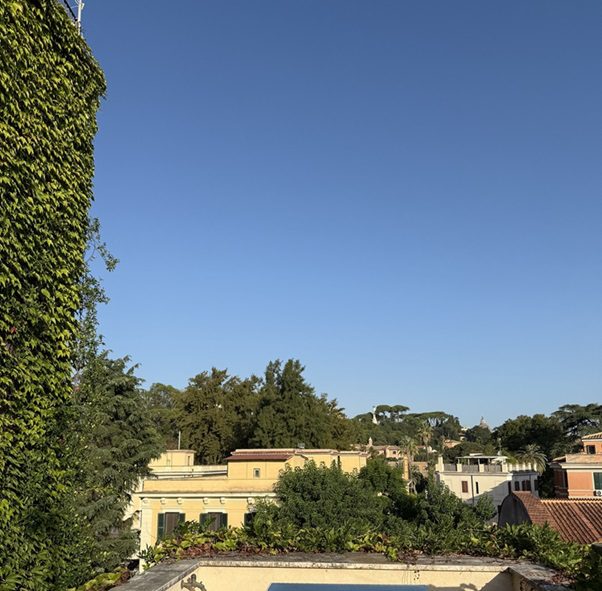
Rome’s most charming food neighborhood with cobblestone streets, traditional trattorias, and authentic Roman restaurants. Perfect for evening hang outs, people watching, and dinner. We stayed at an apartment we booked on booking.com that had rooftop access and the view in the picture above – absolutely wonderful.
Monti
Hip neighborhood near the Colosseum with trendy wine bars, traditional Roman osterias, and excellent aperitivo spots. Great mix of authentic and modern.
Centro Storico
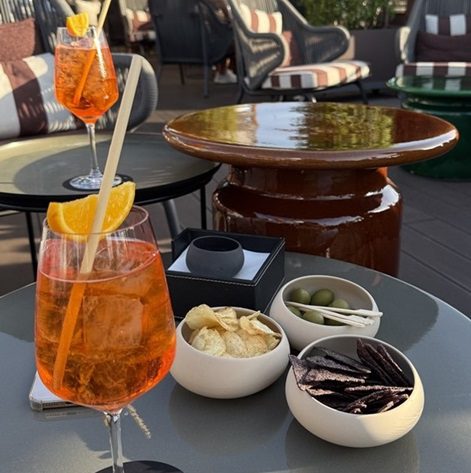
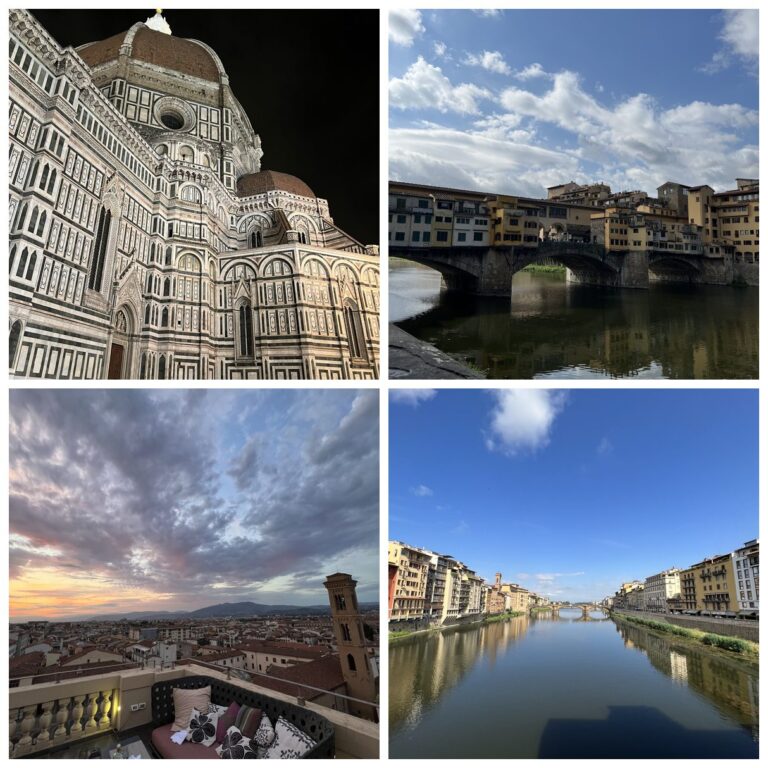
Stay near Piazza Navona, Pantheon, and Campo de’ Fiori market. Central location for sightseeing combined with excellent restaurant access. The picture above is from our rooftop bar experience at the Marriott Hotel right next to the Pantheon (it’s a tiny hotel with a ton of demand so prices are usually very high).
Planning Your Rome Food Trip: Practical Tips
Budget Guide
- Street food (supplì, pizza al taglio): €3-5
- Casual trattoria meal: €15-25 per person
- Mid-range restaurant: €30-50 per person
- High-end dining: €75+ per person
- Coffee at the bar: €1-2 (vs €4-6 seated)
Reservation Strategy
Popular trattorias like Trattoria da Enzo and Armando al Pantheon book up weeks in advance for dinner. Call ahead or use apps like TheFork. Lunch is easier to walk into most places. If a place is full, ask if they have space at the bar – you’ll often get seated.
Timing Your Meals
Lunch: 12:30-3pm (most restaurants close 3-5pm)
Aperitivo: 6-8pm
Dinner: 8pm or later
What to Skip
Any restaurant with photos on the menu, menus in 10 languages, or aggressive hawkers outside. If you see other tourists only, keep walking. The best places have handwritten menus in Italian only. Use Google Translate (image/photo version) if you’re having a hard time translating.
Italian Dining Etiquette
Cappuccino is for breakfast only (locals judge you after 11am). Standing at the bar is cheaper than sitting. Coperto (cover charge) of €1-3 per person is standard. Service is included; tipping 5-10% is appreciated but not required.
Do You Need a Car in Rome?
Skip the car for Rome city
the historic center is a nightmare to drive and park in. ZTL (Limited Traffic Zones) cover most tourist areas with heavy fines for unauthorized entry. Metro, taxis, and walking are far better for exploring Rome’s food scene.
HOWEVER – Rent a car for incredible day trips:
Rome is the perfect base for exploring Lazio’s countryside restaurants, wine regions, and coastal trattorias that Romans escape to on weekends. We have even done multiple week-long road trips from Rome to the beautiful Abruzzo region, down to Naples, and up to Florence. Then we drive back and return the car at Termini due to its convenient flight routes.
Best food day trips from Rome (with a car):
Castelli Romani (30-45 min) – Roman countryside wine towns
- Frascati: White wine producers, porchetta stands, traditional osterias
- Ariccia: Famous for porchetta (roast pork) – entire town dedicated to it
- Nemi: Lakeside town known for wild strawberries and pasta dishes
- Perfect for: Wine tasting, traditional Roman countryside cuisine
Orvieto (Our personal favorite!) (1.5 hrs north)
- Umbrian hilltop town with incredible white wine (Orvieto Classico)
- Wild boar ragu, truffle pasta, medieval atmosphere
- Perfect for: Wine + medieval Italian charm
Tivoli (45 min)
- Villa d’Este gardens + local trattorias serving Lazio classics
- Less touristy than Rome, more authentic pricing
- Perfect for: Half-day trip combining culture + food
Car rental strategy
- Pick up car at Rome Termini or airport
- Park at hotel (if it has parking) or public garage
- Use ONLY for day trips outside city
- Drop off when finished with countryside exploration
Frequently Asked Questions About Roman Food
What are the 4 famous Roman pastas?
The four iconic Roman pastas are carbonara (eggs, guanciale, pecorino), cacio e pepe (pecorino cheese and pepper), amatriciana (tomato sauce with guanciale), and gricia (guanciale and pecorino). Each uses simple ingredients but requires skill to execute properly.
What is the most famous food in Rome?
Carbonara is Rome’s most internationally famous dish, but locally, cacio e pepe holds equal status. The carciofi alla giudia (Jewish-style fried artichokes) is another iconic Roman specialty you can’t find elsewhere.
Is Roman food expensive?
Rome can be affordable if you know where to eat. Standing at a bar for coffee costs €1-2, street food runs €3-5, and casual trattorias charge €15-25 per person. Tourist-area restaurants are pricier (€30-50+). Avoid restaurants near major monuments.
What is guanciale and where can I buy it?
Guanciale is cured pork cheek, essential to authentic Roman pasta. It’s fattier and more flavorful than bacon or pancetta. You can’t really substitute it – the flavor is distinct. Look for it at Roman food markets or specialty shops to bring home.
Do I need reservations at Rome restaurants?
For popular trattorias like Trattoria da Enzo, Armando al Pantheon, and Antica Pesa, yes – book weeks ahead for dinner. Lunch is easier to walk into. Lesser-known neighborhood spots rarely need reservations except weekends.
What’s the difference between gelato and ice cream?
Gelato is churned slower at a warmer temperature than ice cream, creating a denser texture and more intense flavor. It also has less air and fat. Try flavors like nocciola (Nik’s favorite), pistacchio, or stracciatella (Kelly’s favorite) at places like Il Gelato di San Crispino.
Can I drink cappuccino after dinner in Rome?
Technically yes, but locals never do – Italians consider milk after a meal bad for digestion. Order espresso after dinner instead. Cappuccino is strictly a breakfast drink in Italian culture, consumed before 11am.
🌍 Continue Your Italian Food Adventure
Loved Rome? Here’s where to head next:
- Naples Food Guide — the birthplace of pizza, fried street food, and ragù that cooks all day
- Amalfi Coast Food Guide — clifftop trattorias, fresh seafood, and limoncello
- Florence Food Guide — bistecca alla Fiorentina, truffles, and Tuscan wine
- Venice Food Guide — cicchetti and bacari, lagoon seafood, and every tourist trap to avoid
- Norway Food Guide — brown cheese, reindeer soup, and cardamom waffles
- Summer Packing List — everything you need for a warm weather trip to Italy
📌 Save This Guide for Later!
Planning a trip to Rome? Pin this guide to your travel boards so you can find it when you’re ready to book — cacio e pepe, supplì, and the best trattorias in the city.
📌 Pin this guide →