Florence Food Guide 2026: Tuscan Truffles, Bistecca & 12+ Must-Try Dishes
This post contains affiliate links. If you book through these links, we may earn a small commission at no extra cost to you. This helps us keep creating free travel guides! Read our full Affiliate Disclosure
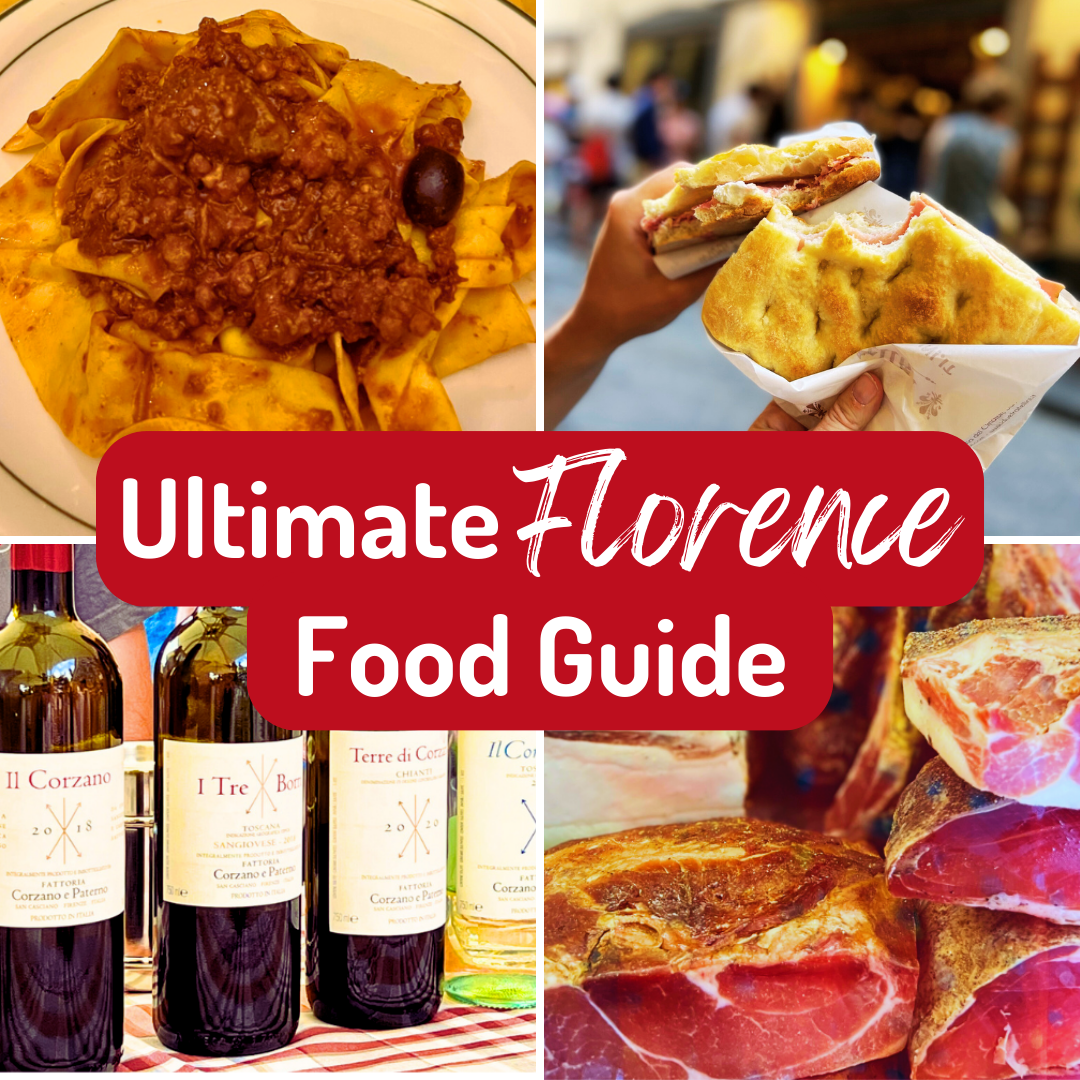
Florence isn’t just the cradle of the Renaissance – it’s the heart of Tuscan cuisine, where centuries-old recipes meet some of Italy’s finest ingredients. From earthy truffle pasta to the legendary bistecca alla fiorentina (a massive T-bone steak that must be served rare), Florence’s food scene celebrates bold flavors, quality local ingredients, and time-honored traditions. This complete Florence food guide covers the must-try Tuscan dishes, best restaurants in the city, and everything you need to know about eating like a local in Italy’s most beautiful Renaissance city.
Exploring more of Italy? Check out our Rome Food Guide, Amalfi Coast Food Guide, and Naples Food Guide for regional Italian cuisine.
📌 Save This Guide for Later!
Planning a trip to Florence? Pin this guide to your travel boards so you can find it when you’re ready to book — bistecca, truffle pasta, and the best Tuscan wine.
📌 Pin this guide →When to Visit Florence for the Best Food
Fall (September-November) is prime time for Florentine food lovers (Nik’s Favorite season to visit). This is white truffle season (October-November), when restaurants feature fresh truffles on every menu. The grape harvest brings new wine, and cooler weather makes hearty Tuscan dishes like bistecca and wild boar pasta especially appealing. Food festivals and sagre (local food fairs) happen throughout the region.
Spring (April-June) offers beautiful weather for dining on terraces and outdoor markets (Kelly’s Favorite season to visit). Fresh artichokes and spring vegetables appear on menus, and restaurants aren’t yet overrun with summer tourists. The bistecca is excellent year-round, but spring means you can enjoy it on a patio overlooking the Arno.
Summer (July-August) is peak tourist season – expect crowds, heat, and higher prices. Many locals leave in August, and some restaurants close for vacation. However, outdoor dining, gelato season, and late sunsets make summer meals memorable. Book restaurants well in advance.
Winter (December-March) brings cheaper prices, empty restaurants, and authentic local experiences. While it’s cold, Tuscan soups, hearty pastas, and bold red wines are perfect. Black truffle season runs January-March. Skip late December and August when many places close.
Best time overall: Late September through October for ideal weather, truffle season, and manageable crowds.
What Makes Florentine Cuisine Unique?
Florentine cuisine is all about simplicity and quality — simple preparations that let exceptional ingredients shine. Unlike cream-heavy northern Italian cooking or tomato-based southern dishes, Tuscan food relies on high-quality olive oil, fresh herbs, garlic, and black pepper.
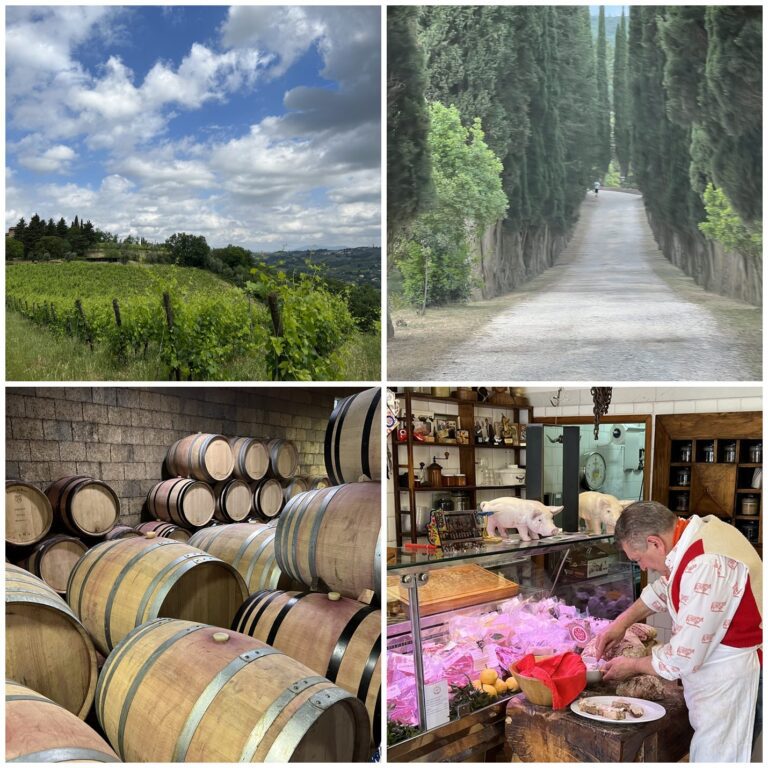
Truffles define Florence’s fall and winter dining. White truffles (October-November) and black truffles (January-March) are shaved over pasta, risotto, and eggs throughout the city — the nearby San Miniato hills produce some of Italy’s finest.
The legendary bistecca alla fiorentina comes from Chianina cattle raised in the Val di Chiana valley. These massive T-bone steaks must be served rare — requesting well-done will get you firmly refused at any self-respecting trattoria.
Florence also celebrates cucina povera — peasant food elevated to art. Dishes like pappa al pomodoro and ribollita were created from stale bread and whatever was on hand, but now appear on menus at the city’s finest restaurants. Simple ingredients, transformed through technique and time.
Tuscan Truffle Specialties
Truffle Burrata
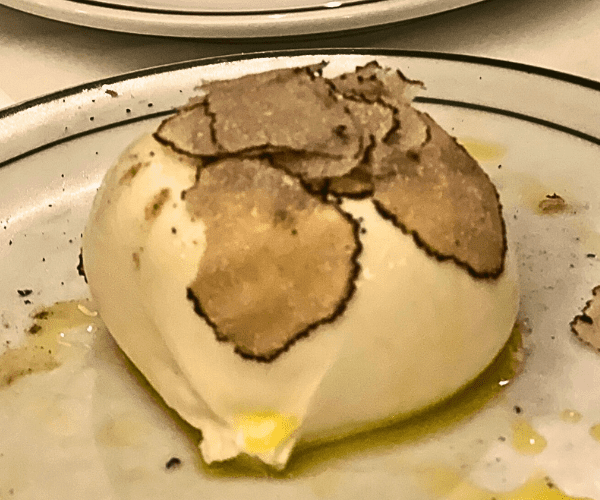
Mushroom truffles are quite popular in the Tuscan region and especially so in Florence. Restaurants will feature appetizers like truffle burrata drizzled with locally sourced olive oil, an ideal way to get your taste buds ready for your delicious meal.
Truffle Main Courses
Do not hesitate to try any of the mouth-watering truffle cream entrees. My favorite is the Veal with Truffled mushrooms or you can always go for creamy truffle sauce atop a delicious juicy chicken breast and of course a side of potatoes.
Truffle Pasta
Mushroom truffle pasta known as tagliatelle funghi porcini e tartufo is long flat pasta noodles tossed in a creamy mushroom sauce topped with truffle. Personally, this is my favorite dish in Tuscany.
Places to try: Trattoria Za Za, Trattoria Giovanni, Osteria Cinghiale Bianco, Antico Ristorante Paoli 1827
Traditional Tuscan Pastas and Mains
Boar Pasta
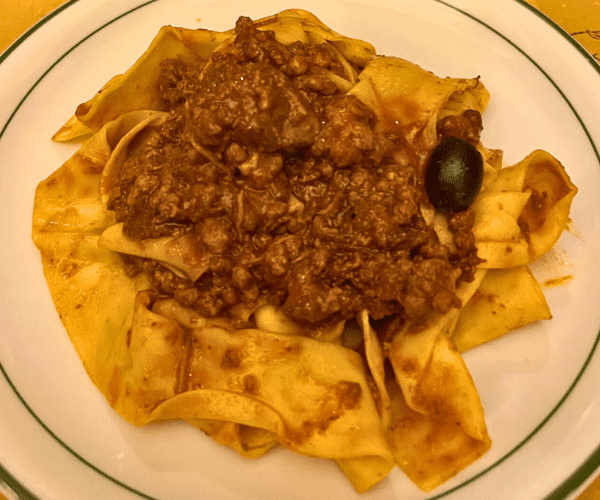
Boar Pasta or Boar Pappardelle al Cinghiale is wide ribbon pasta topped with a deliciously heavy tomato, red wine sauce and stewed tender boar meat.
Places to try: Ristorante Buca Mario, Trattoria Za Za, Trattoria Giovanni, Osteria Cinghiale Bianco, Antico Ristorante Paoli 1827
Bistecca alla Fiorentina
Bistecca alla Florentina is T-bone cut steak from the Chianina breed of cows in Siena cooked rare over a fire giving it a crispy blackened exterior seasoned with only salt and pepper. If you prefer your steaks well done, then this isn’t for you and don’t even think about insulting the chef by specifying how you want it cooked!
Places to try: Trattoria Mario, Ristorante Buca Mario, L’Osteria di Giovanni, Le Cappelle Medicee, Osteria Cinghiale Bianco, Antico Ristorante Paoli 1827
Coniglio Arrosto Morto
Stewed Rabbit Pasta or Coniglio Arrosto Morto is slow cooked rabbit stewed with vegetables like onions, carrot, celery, and tomatoes served over pasta.
Places to try: Osteria Cinghiale Bianco
Tuscan Appetizers and Sides
Tagliere
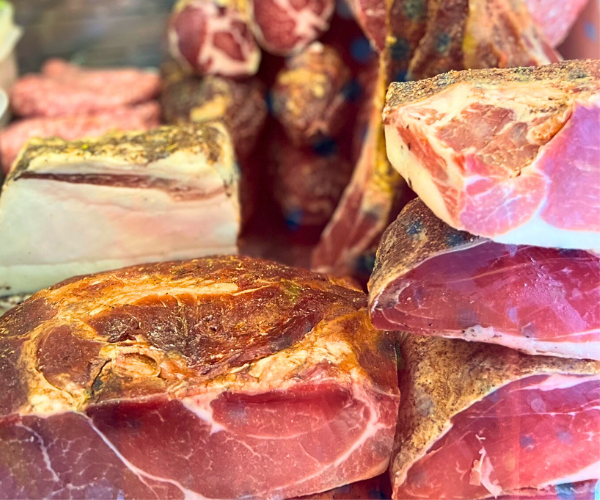
Finocchiona is Florentine salami and I ordered it any chance I got while in Florence! It will be a regular on Tagliere which translates to cutting board and is charcuterie board with cheese and meats. Try mortadella and sopressata as well. As for cheese pecorino toscano is the star. Tagliere makes a great appetizer to share with friends or as an aperitivo with drinks.
Places to try: Trattoria Za Za, Trattoria Giovanni
Fagioli all’uccelletto
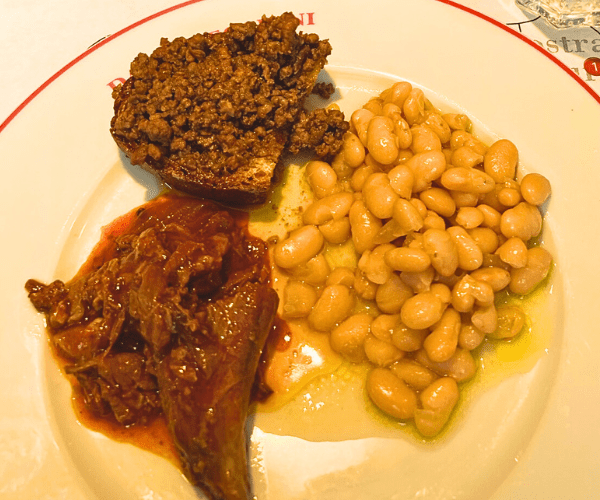
Tuscan-style Baked Beans or Fagioli all’uccelletto are beans served in a hearty tomato sauce perfect for dipping your bread.
Places to try: Antico Ristorante Paoli 1827, Ristorante Buca Mario
Fiori di zucca
Stuffed zucchini blossoms or Fiori di zucca ripieni are lightly battered fried zucchini blossoms stuffed with cheese, ricotta or mozzarella usually.
Places to try: Trattoria Za Za
Tuscan Soups and Bread Dishes
Pappa al Pomodoro
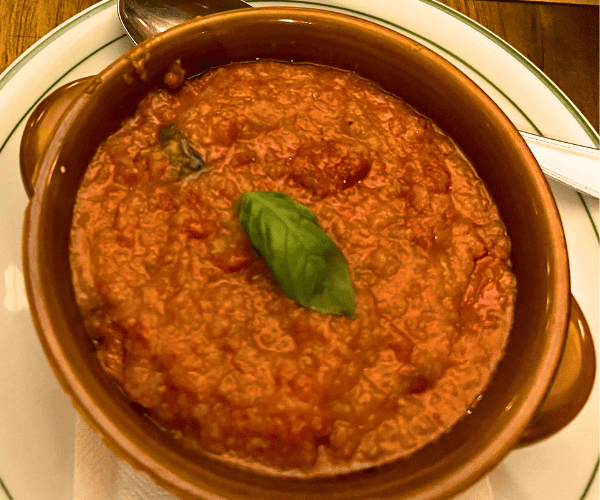
Tuscan bread soup or Pappa al Pomodoro uses stale bread pureed to thicken a soup base of tomato, olive oil, garlic, and basil. Ribollita is a similar soup with cannellini beans instead of tomatoes along with other vegetables you have on hand. Both soups have peasant roots where people made meals from what they had on hand and didn’t let stale bread go to waste. Now it is a deliciously hearty meal served at some of the best restaurants in the city.
Places to try: Trattoria Mario, L’Osteria di Giovanni, Le Cappelle Medicee, Trattoria Za Za, Trattoria Giovanni, Osteria Cinghiale Bianco, Antico Ristorante Paoli 1827
Schiacciata
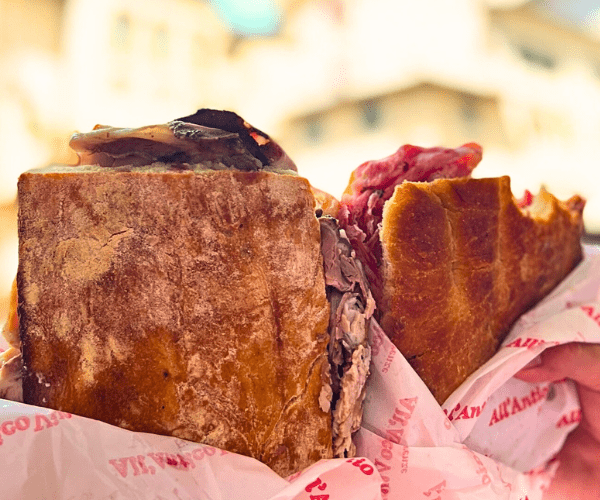
Schiacciata is Florentine focaccia bread that can be eaten alone as a snack, made into a sandwich for lunch, or topped with grapes and baked for dessert. Panini are sandwiches and some are made with schiacciata.
Places to try: All’Antico Vinaio, I Fratellini, Pino’s Sandwiches, Semel Street Food
Florentine Desserts and Gelato
Gelato
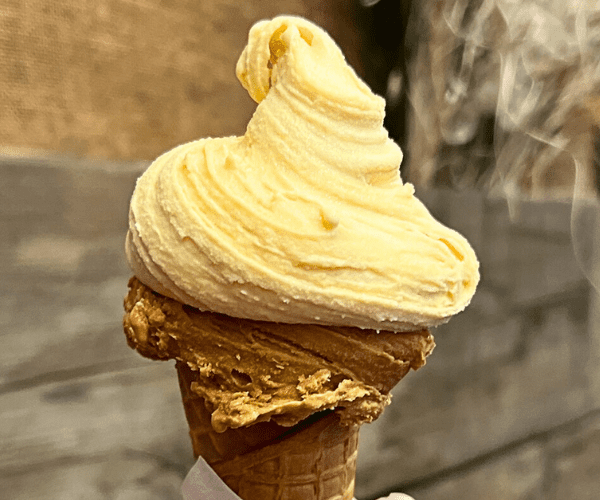
With its slow churn process at a higher temperature, gelato has a more intense flavor and denser texture than ice cream. My favorite flavor is the nocciola which is a light hazelnut and cream flavor similar to but not as overpowering as Nutella. I also love pistachio and for those who want to feel like a kid again try Stracciatella which is a fancy name for vanilla with chocolate chip shavings.
Places to try: Venchi Cioccolato e Gelato, Gelateria Della Passera, Sbrino Gelatificio Contadino, Gelateria La Carraia
Drinks: Wine, Coffee, and Cocktails
Coffee
Espresso is serious business in all of Italy and you can see it everywhere. Most people start their day with an espresso that is rich and thick. I preferred a cappuccino along with my breakfast, as tradition has it in Italy – no cappuccinos after noon. If you want something more along the lines of dessert, try a nocciola which is espresso with hazelnut cream. Also, the price to enjoy your coffee standing at the bar is a fraction of what you will pay to sit at a table with service so take your pick.
Places to try: Caffe Gilli, Ditta Artigianale Neri, Nome Coffee Roasters
Wine
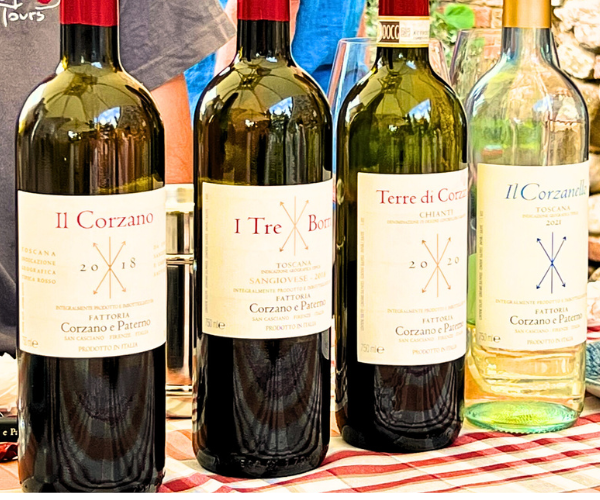
Florence is in the Tuscany region which is one of the most well known wine regions in Italy. Home to big bold Tuscan red wines featuring Sangiovese, Cabernet Sauvignon, Cabernet Franc, Syrah, Merlot, and Pinot Noir. You will hear a lot about Super Tuscans, but all it means is a red blend including local and non-local varietals. If you want to try a local varietal look for Canaiolo, Colorino, Malvasia Nera, and Mammolo.
Sangiovese is the main varietal of grape found in Brunello di Montalcino as well as Chianti the other famous Tuscan wine. 85% of red wine produced in Tuscany is Sangiovese so its a must have while visiting Florence and pairs well with a Florentine steak, tagliere, or dish featuring tomato sauce. Chianti is the more well known regional wine and pairs well with most Tuscan dishes especially if it involves tomatoes. Its main tasting notes are red fruit, spice, and earth. Look for Brunello di Montalcino which is a red wine that smells of cherry and flowers with a bold flavor and lovely finish from its high acidity and tannins. It is rather expensive outside of Italy so try a bottle with dinner while in Florence. It carries Italy’s highest DOCG classification.
If you love white wine, Trebbiano is the most commonly grown white varietal and tastes bright and crisp with an herbal finish. The main tasting notes are peach, citrus, green apple, and herbs. It is dry with a nice acidity that pairs well with cheese, pasta or pizza with white sauce, seafood, and chicken. The region features other whites including Malvasia, Vermentino, Vernaccia, Viognier, Chardonnay, and Sauvignon Blanc.
Places to try: Le Volpi e L’uva, Loggia Roof Bar, Babae, Sesto on Arno
Negroni
Legend has it that the popular Campari cocktail Negroni was invented by Count Camillo Negroni in Florence when he ordered an Americano made with gin in place of the usual soda water. Enjoy a delicious Negroni at one of the many cocktail bars or terrazzas around town.
Places to try: ANYWHERE, View on Art Rooftop Cocktail Bar, La Terrazza, Sesto on Arno
Aperol Spritz
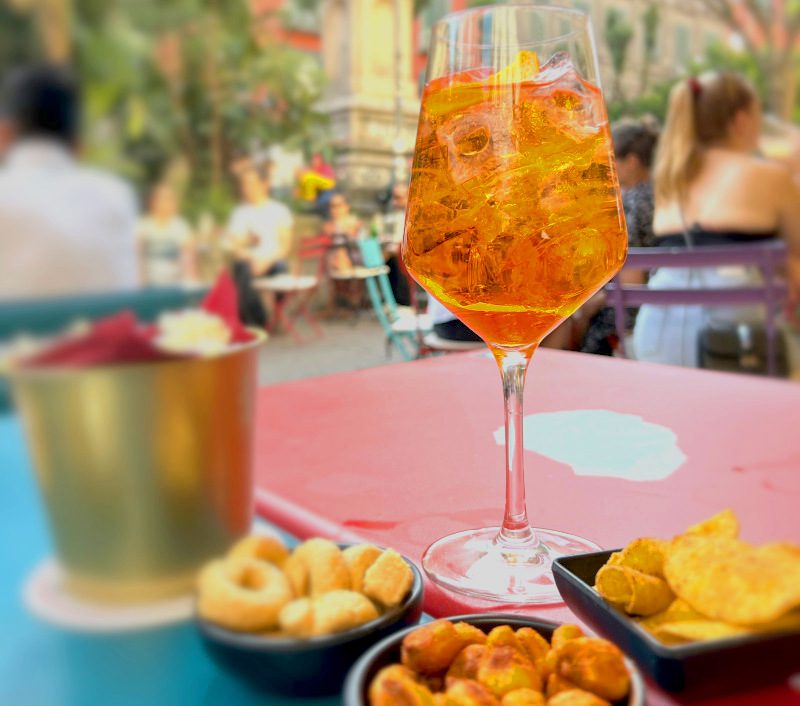
You will see spritzes on the menu EVERYWHERE. The most common is an Aperol spritz made of Aperol, Prosecco, and a splash of sparkling water. Aperol has a bitter and sweet taste with flavors of orange, rhubarb, and herbs. If you want something a little sweeter try the lemon spritz made with limoncello or a peach bellini.
Places to try: View on Art Rooftop Cocktail Bar, La Terrazza, Sesto on Arno
Where should you stay? We moved the full neighborhood and hotel breakdown into its own guide. See where to stay in Florence for the best areas and the hotel we loved.
Planning Your Florence Food Trip
Budget Guide
- Espresso at bar: €1-1.50
- Panini/schiacciata: €5-8
- Casual trattoria lunch: €12-20 per person
- Nice dinner with wine: €35-60 per person
- Bistecca alla fiorentina: €40-70 (usually 2+ people)
- Gelato: €2.50-4
- Truffle pasta: €18-35 (seasonal)
Reservation Strategy
Traditional trattorias like Trattoria Mario don’t take reservations – arrive when they open (12pm lunch, 7pm dinner) or expect to wait. Popular spots like Trattoria ZaZa, L’Osteria di Giovanni, and Antico Ristorante Paoli need reservations days ahead. Rooftop bars benefit from advance booking, especially sunset time.
Timing Your Meals
Lunch: 12:30-2:30pm (some places close at 2pm)
Aperitivo: 6-8pm (drinks with free snacks)
Dinner: 7:30pm earliest (8pm+ to be more like the locals)
Coffee break: 10am-11am, 3-4pm
What to Order
Bistecca is sold by weight (usually 1.2-1.5kg minimum, serves 2-3). It will arrive rare – this is non-negotiable. Truffle dishes are seasonal and priced by market rate (expect supplements of €8-20). House wine (“vino della casa”) is excellent quality in Florence – don’t overpay for bottles.
Markets to Visit
Mercato Centrale (Central Market) – Food shopping upstairs, produce/meat downstairs
Sant’Ambrogio Market – Where locals shop, less touristy
Mercato di San Lorenzo – More tourist-focused, good for souvenirs
What to Skip
Restaurants with aggressive hawkers outside, English-only menus, or photos on the menu. “Tourist menus” are overpriced and mediocre. Anywhere directly facing the Duomo or Uffizi (unless you just want to have a break and an Aperol Spritz).
Tuscan Food Culture
Bread in Tuscany is purposely unsalted (dates back to medieval salt taxes) – it’s meant to balance salty meats and cheeses. Cappuccino after 11am marks you as a tourist. Tipping isn’t required (coperto covers service), but 5-10% is appreciated for excellent service. Standing at the bar costs less than sitting.
Our Favorite Florence Experiences
Pasta Making Class
We almost never do cooking classes on trips but this one in Florence was one of our favorite couples activities we’ve ever done. You spend three hours making fresh pasta from scratch alongside a fun group of people, guided by an instructor who is both helpful and genuinely entertaining. The unlimited wine throughout doesn’t hurt either. We left with full stomachs, new skills, and a lot of laughs. Highly recommend booking this one early — it fills up fast.
🍝 Best Foodie Experience in Florence: Pasta Cooking Class with Unlimited Wine
4.9 stars across 10,767+ reviews — one of the most loved experiences in all of Florence. We absolutely loved this as a couples activity. You’ll make fresh pasta from scratch with a fun, entertaining instructor, share the table with a great group of people, and drink unlimited wine throughout. Three hours of pure joy. Book early — this one fills up fast and for good reason.
Book the Florence pasta cooking class →Want to explore the countryside? We cover it in a dedicated guide. See our full guide to day trips from Florence, including a Chianti wine tour and the Saturnia hot springs.
Frequently Asked Questions About Florence Food
What is the most famous food in Florence?
Bistecca alla fiorentina (Florentine T-bone steak) is Florence’s most iconic dish. This massive steak from Chianina cattle must be served rare over the bone. Truffle pasta is another signature dish, especially during fall truffle season (October-November).
What are truffles and when is truffle season in Florence?
Truffles are rare, expensive mushrooms that grow underground. White truffles (October-November) are more pungent and costly. Black truffles (January-March) are earthier and more affordable. They’re shaved fresh over pasta, risotto, and eggs. Expect to pay €15-35 extra for truffle additions.
How much does a bistecca alla fiorentina cost?
Bistecca costs €40-70 depending on the restaurant and current market price for Chianina beef. It’s sold by weight (usually 1.2-1.5kg minimum) and serves 2-3 people. The steak arrives rare – requesting well-done is considered insulting in traditional Florentine restaurants.
Is Florence food expensive?
Florence is moderately priced compared to Rome or Venice. Casual trattorias cost €12-20 for lunch, €35-60 for dinner with wine. Tourist-area restaurants charge 30-50% more. Standing coffee costs €1-1.50, sitting charges €4-6. Bistecca and truffle dishes are premium-priced but worth it.
What is Tuscan wine?
Tuscany is one of Italy’s premier wine regions. Chianti (Sangiovese grape) is the most famous, but also try Brunello di Montalcino and Super Tuscans. House wine in Florentine restaurants is often excellent quality. Pair Sangiovese-based wines with bistecca, wild boar, and tomato-based dishes.
Do I need reservations at Florence restaurants?
For dinner at popular restaurants (especially Friday-Sunday), yes. Some traditional trattorias like Trattoria Mario don’t accept reservations – arrive right when they open. Rooftop bars and upscale spots need reservations 3-7 days ahead in high season.
What is pappa al pomodoro?
Pappa al pomodoro is Tuscan tomato and bread soup – a thick, rustic dish made with stale bread, tomatoes, garlic, basil, and olive oil. It embodies cucina povera (peasant cooking) that transforms simple ingredients into comfort food. Ribollita is similar but uses beans instead of tomatoes.
Where can I try authentic Florentine food away from tourists?
Head to the Oltrarno neighborhood (across the Arno River), especially around Santo Spirito and San Frediano. These areas have authentic neighborhood trattorias where locals eat. Avoid restaurants near the Duomo, Uffizi, and Ponte Vecchio.
🌍 Continue Your Italian Food Adventure
Loved Florence? Here’s where to head next:
- Rome Food Guide — the 4 iconic pastas, supplì, and the best trattorias in the city
- Naples Food Guide — the birthplace of pizza, fried street food, and ragù that cooks all day
- Amalfi Coast Food Guide — clifftop trattorias, fresh seafood, and limoncello
- Venice Food Guide — cicchetti and bacari, lagoon seafood, and every tourist trap to avoid
- Barcelona Food Guide — tapas, pintxos bars, and Michelin dining
- Summer Packing List — everything you need for a warm weather trip to Italy
📌 Save This Guide for Later!
Planning a trip to Florence? Pin this guide to your travel boards so you can find it when you’re ready to book — bistecca, truffle pasta, and the best Tuscan wine.
📌 Pin this guide →🇮🇹 Keep Exploring Florence
Plan the Rest of Your Trip
Now that you know what to eat, sort out where to sleep and where to explore.